
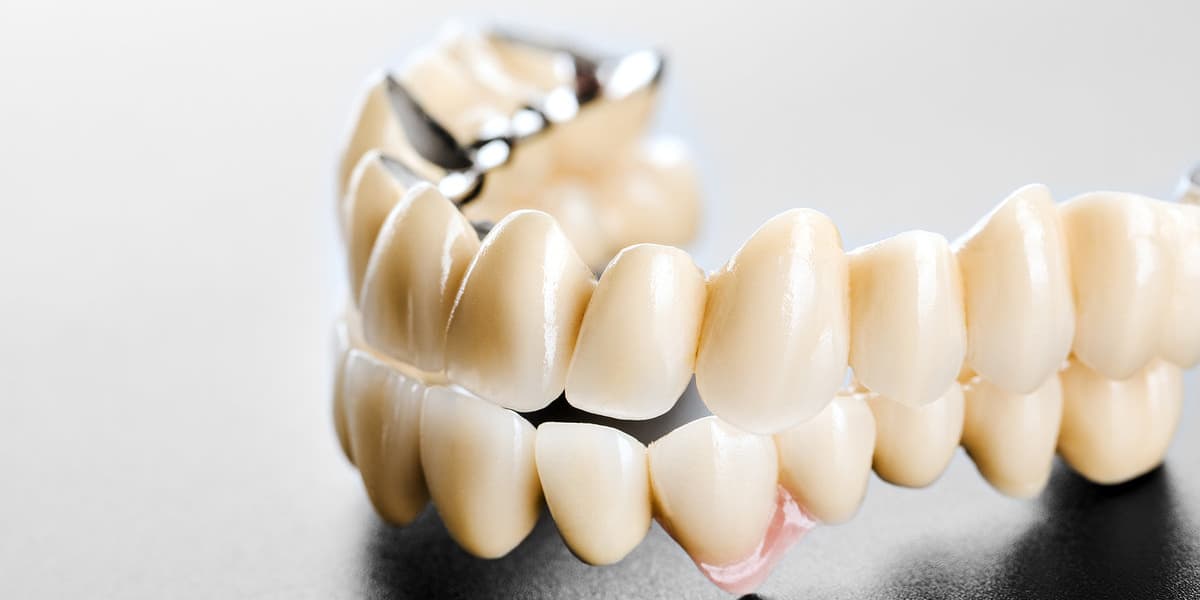
Replace Lost Tooth With Same-Day Dental Bridge Restoration

If you accidentally lost a tooth, there’s nothing to worry about having a broken smile even for a day. Your dentist easily completes and replaces your missing tooth with a same-day dental bridge restoration. It’s one of the fixed dental restorations available aside from dental implants or teeth crowns.

A tooth bridge is a unit that includes a false or pontic tooth in the middle that’s supported by the abutment teeth. The supporting teeth are encased with dental crowns or caps and they hold the false tooth in place.

In recent years, the most in-demand material for a tooth bridge is porcelain. Patients prefer a porcelain dental bridge so that their smile would look natural even with the restoration. Depending on the number of missing teeth, your dentist may design three-unit, four-unit and six-unit teeth bridges.

With the aid of modern dental equipment, your dentist completes the tooth bridge restorative treatment in a single visit.

Same-day dental bridge restoration

Initial consultation

Your dentist performs a thorough examination to determine the appropriate type of dental bridge restoration to be used. His decision would be based on how many teeth need replacement and their location.

The digital scanner automatically designs the 3D model of the restoration so the patient knows what to expect. Once the patient agrees to the treatment plan, the dentist proceeds to prepare the teeth.

Reshaping of teeth

The dentist administers local anesthesia to numb the gum area that’s adjacent to the abutment teeth. Next, he reshapes the abutment teeth so the dental caps fit like a glove so they secure the porcelain dental bridge in place.

Taking an impression and milling

Once the desired shape of teeth is achieved, the dentist scans the teeth again to capture a digital impression.

This time, the information gathered is directly sent to the machine that will fabricate the full unit of the dental bridge restoration.

Cementation

The dentist places the teeth bridge to the patient’s mouth once the fabrication of the unit is completed. He makes the final adjustment to make sure the patient feels comfortable wearing the porcelain dental bridge.

Finally, he cements the restoration to complete the procedure. The dentist checks the patient’s bite, making sure that he would feel comfortable chewing again.

There’s no need to despair when you lost a tooth. There are numerous ways for you to have a replacement such as a dental bridge in Markham Dentist, Ontario. See your dentist today and never go home with a missing tooth.

FAQs About Same-Day Dental Bridges in Markham

What is a same-day dental bridge?

A same-day dental bridge is a tooth replacement treatment that restores a missing tooth in a single dental visit. Using modern digital scanning and milling technology, the dentist designs, creates, and places the bridge on the same day.

How many teeth can a dental bridge replace?

A dental bridge can replace one or several missing teeth. Depending on the situation, your dentist may recommend a three-unit, four-unit, or even a six-unit bridge to restore your smile properly.

Will a dental bridge look natural?

Yes. Many patients choose porcelain bridges because the material closely resembles natural tooth enamel. The shade is matched to your surrounding teeth so the restoration blends in with your smile.

Is the same-day dental bridge procedure painful?

No. The dentist uses local anaesthesia to numb the area before reshaping the supporting teeth. Most patients feel little to no discomfort during the procedure.

How long does a dental bridge last?

With proper care, a dental bridge can last 10–15 years or more. Good oral hygiene, regular dental visits, and avoiding very hard foods will help maintain the bridge for many years.

The Ultimate Cheat Sheet On The Dental Bridge Procedure

If you ever feel ashamed of your missing teeth, you are not alone. Most adults between the age of 20 and 64 years old are suffering from decayed or missing teeth. However, that shouldn’t stop you from getting your confidence back.

Fortunately, several options may help you replace your missing teeth, including a dental bridge. But what does it do with your teeth and what role does it play?

What is a dental bridge?

It’s a false tooth, otherwise known as a pontic, in between the abutment teeth on both sides of the gap. Although other materials are available, most patients still choose porcelain due to its natural sheen. There are four basic types of a porcelain dental bridge that your dentist may recommend.

Basic types of a dental bridge

Traditional dental bridges

It’s one of the standard types of a bridge and usually has two or more false teeth held strongly by dental crowns. The dentist firmly cements the dental crowns, commonly known as abutments, to the teeth adjacent to the missing tooth.

Most dentists use a traditional dental bridge when the patient still has natural teeth on both sides of the gap made by the missing tooth.

One major downside of this procedure is that the dentist will need to reduce the adjacent teeth’s enamel to give space for the crowns. Since enamel doesn’t recover on its own, the teeth need to stay protected using crowns.

Cantilever bridges

Another option for replacing missing teeth are cantilever bridges. They almost resemble the traditional bridges except that the abutment that supports the pontic is on one side alone.

It’s perfect for instances when there’s only one natural tooth next to the gap. Same with a traditional bridge, your dentist will also remove the enamel of the adjacent tooth to add stability to the bridge.

Maryland bridges

Dentists consider it as the most conservative alternative to a traditional porcelain dental bridge. It usually consists of a pontic held by a framework made with either metal or porcelain.

The dentist commonly bonds the structure onto the back of the two teeth adjacent to the missing tooth. Since there’s no need to place the bridge using crowns, the dentist doesn’t need to file the adjacent teeth.

While this type of bridge dental treatment is more conservative than the traditional bridges, it still has its cons. The strength of the resin determines if it’s enough to hold the bridge in place.

So, there’s a chance that it might not remain intact if the teeth receive a lot of biting force regularly. The framework may also obstruct your gums as well as your bite.

Implant- supported bridges

Another option that a dentist may suggest is an implant-supported dental bridge. Instead of using crowns or frameworks to support it, the dental implants support the pontic.

Typically, the dentist places one implant for every missing tooth. If one implant for every gap is impossible, the dentist needs to suspend the pontic between implant-supported crowns.

Since the dentist uses implants to secure a single tooth bridge, it feels more secure and comfortable as if they’re natural teeth. However, the downside is that the patient needs to undergo two separate surgeries to place the implants.

The first surgery is for the setting of the implants while the second is for putting the bridge. So, it’s best for the patient to expect a few months to complete the procedure.

A porcelain dental bridge is a great solution in closing the gaps in your smile. With so many variants of dental bridges available, you’ll surely find the right option to get your confidence back.

There’s no better feeling than to have a complete set of teeth to brighten your smile. Feel free to set an appointment with your dentist who knows about a dental bridge in Markham, Ontario to learn more about the procedure.

FAQs About Dental Bridges

How long does a dental bridge last?

A dental bridge can last 10–15 years or even longer with proper care. Good oral hygiene, regular dental check-ups, and avoiding excessive biting force can help extend its lifespan.

Is getting a dental bridge painful?

The procedure is usually comfortable. Your dentist will numb the area before preparing the supporting teeth. You may feel mild sensitivity afterwards, but this typically settles within a few days.

How do I clean under a dental bridge?

You should brush twice daily and floss carefully around the bridge. Special floss threaders or interdental brushes can help clean underneath the pontic and along the gum line to prevent plaque build-up.

Which type of dental bridge is best for me?

The right option depends on your oral health, the location of the missing tooth, and the strength of the surrounding teeth. Your dentist will assess your situation and recommend whether a traditional, cantilever, Maryland, or implant-supported bridge is most suitable.

Are dental bridges better than dental implants?

Both options are effective for replacing missing teeth. Bridges are generally quicker and may not require surgery, while implants tend to feel more like natural teeth and can offer longer-term stability. Your dentist can guide you based on your needs and budget.