
Root Canal on Front Tooth: Simple, Quick & Pain-Free 

If you’ve just found out you need a root canal on one of your front teeth, you’re probably a little nervous. Not just about the procedure, let’s be honest, nobody likes dental work, but also about how your smile will look when it’s all done. Here’s the good news: once you know what actually happens during root canal on front tooth treatment, it all starts to feel a lot less scary. Your Markham dentist has done plenty of these and always focuses on keeping things comfortable and making sure your smile still looks like you.

A root canal on a front tooth is actually one of the easier dental fixes out there. It’s usually quicker and less uncomfortable than getting a root canal on a back tooth. If you’re looking for a straightforward way to save a tooth that’s in trouble, this is it.

 When do you need a root canal on a front tooth?

Catching the signs early means you can get treated before things get worse. If the pulp inside your tooth gets infected or damaged and can’t heal, that’s when a root canal comes into play. What should you watch for? Persistent pain or throbbing, extra sensitivity to hot or cold, your tooth looking darker than usual, or the gum near the tooth swelling or getting tender. Sometimes, you’ll see a little bump on the gum near the bad tooth, that’s usually a sign there’s an infection.

Front teeth usually end up needing root canals because of things like getting hit in the mouth (sports, a fall, accidents), deep cavities, cracks that go all the way to the pulp, or just too many dental procedures on the same tooth. If any of this sounds familiar, don’t wait, reach out to your dentist in Markham right away.

So, what actually happens during the procedure?

Understanding how root canal on front tooth is performed helps reduce anxiety about the procedure. The process follows a systematic approach designed to eliminate infection while preserving your natural tooth structure.

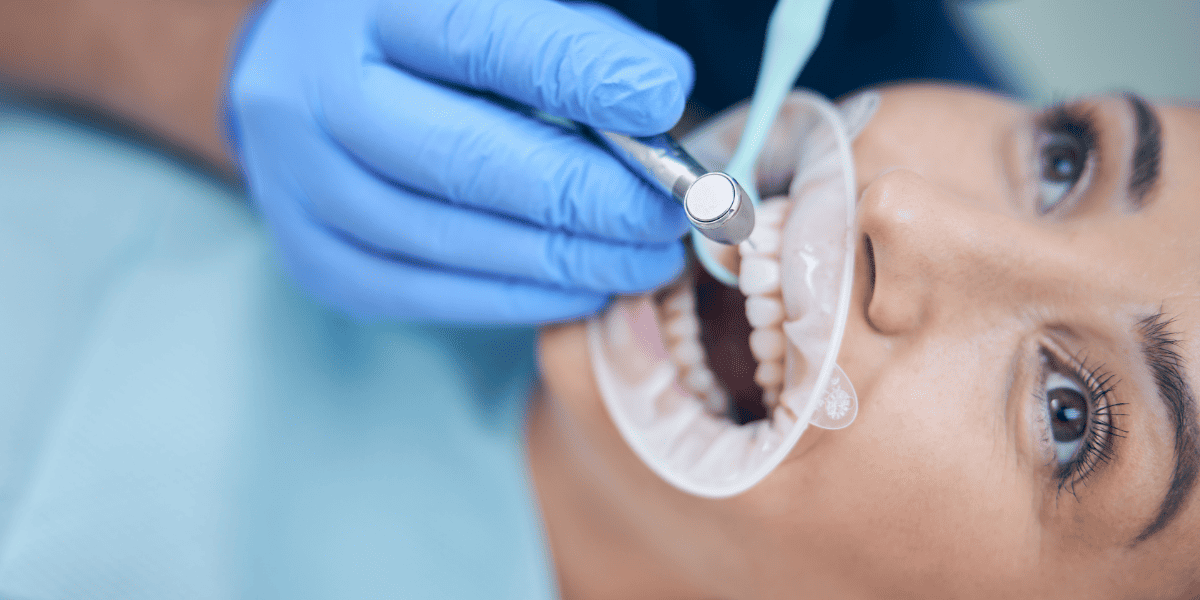
First, your dentist will take X-rays to see what’s going on inside the tooth. After that, they numb up the area, anesthesia means you won’t feel pain, just maybe some pressure. They put a little dental dam around the tooth to keep things dry and clean.

Then comes the part that surprises most people: for a front tooth, the dentist makes a tiny hole in the back of the tooth, not the front. That way, the part people see stays untouched. Through this hole, they carefully remove the infected pulp. Since front teeth only have one straight canal, it’s a lot simpler than working on molars, which have several twisty canals.

Once the bad stuff is out, your dentist cleans and disinfects the inside. They shape the canal, fill it with a rubbery material called gutta-percha to seal it up, and put in a temporary filling to close the hole while your tooth settles down.

You’ll come back for a quick follow-up, where they swap out the temporary filling for a permanent, tooth-colored one. If your tooth needs extra support, your dentist will talk with you about whether a crown would help, but sometimes just a strong filling is enough. 

What’s different about front tooth root canals compared to molars?

Dentist speaking to patient about root canal procedure

For starters, they’re quicker and just easier, all around. Front teeth have only one canal, so you’re not in the chair as long, think half an hour to an hour, instead of ninety minutes or more for molars. The canal is straight and easy to reach, so there’s less fuss and less discomfort. You’ll probably bounce back faster, too. Most people feel back to normal in a day or two.

And don’t stress about your smile. Since the dentist works from the back of the tooth, your front teeth keep looking just like they always did, no one will ever know you had anything done.

Is a root canal on a front tooth painful?

People worry about this a lot, but honestly, you don’t need to. These days, root canals really aren’t painful. And dealing with root canal on front tooth is even easier than with molars.

Your dentist numbs the area first, so you won’t feel any pain, just a bit of pressure and some movement, that’s all. Front teeth have simpler nerves than your back teeth, so they’re less sensitive during and after the procedure. Most folks say a root canal feels about the same as getting a regular filling.

Once the numbness fades, you might notice a little tenderness or sensitivity for a few days. Ibuprofen or Tylenol keeps that under control. Compared to the pain of an infected tooth, this is nothing, and it usually clears up in three to five days.

Do you need a crown after a front tooth root canal?

Confident individual smiling naturally after dental treatment

Not always. It depends on how much of your tooth is left and how much stress it takes when you bite.

A lot of the time, dentists can restore front teeth with a tooth-colored filling after a root canal. Since they work from the back of the tooth, the front stays strong and untouched. But if there’s a lot of damage, or if the tooth is weak and could crack, you’ll probably need a crown for extra protection and to keep it looking good long-term.

If you do need a crown, don’t worry, modern porcelain or ceramic crowns look just like natural teeth. Your dentist will look at your tooth and let you know the best way to fix it up.

 Recovery and aftercare

Taking care of your tooth after the procedure helps it heal and last for years. Most people bounce back quickly without much hassle.

For the first day or two, the area might feel a little sore. Take the pain meds your dentist recommends, usually ibuprofen or acetaminophen. Eat soft foods at first, and try not to bite into anything hard with your treated tooth until you get your permanent restoration. Keep brushing and flossing, just be gentle around that area. Within a week, most people are back to eating and living like normal.

 How much does a front tooth root canal cost?

In Canada, a root canal on a front tooth usually runs between $600 and $1,200, depending on how complicated it is and where you live.

If you need a crown, add another $800 to $1,500. It might sound like a lot, but compare that to pulling the tooth and getting an implant, now you’re looking at $3,000 to $6,000, plus a lot more time. Most insurance plans cover half to 80% of root canal costs. And if you need help, Forestbrook Dental offers payment plans and financing to make things easier.

 Book your consultation

Happy professional smiling comfortably after front tooth procedure

Now that you know how the root canal on the front tooth works, you can walk in feeling calm instead of worried. Honestly, the whole thing is usually quicker and easier than people expect. The results look natural, and success rates are high.

Here at Forestbrook Dental, we focus on gentle root canal treatments that protect your real smile. Our team’s experience and the way we center everything around you makes the process so much smoother. Don’t let nerves or wrong information hold you back. Waiting only makes the pain worse, the treatment harder, and the bill bigger.

If your tooth hurts, feels sensitive, or you notice signs of infection, go ahead and book a consultation with your Markham dentist. We’ll check everything carefully, walk you through your options, and put together a plan that fits you and your budget. Your smile is worth it.

Frequently asked questions about teeth whitening and insurance

How long does a front tooth root canal take?

Most front tooth root canals are completed in 30 to 60 minutes during a single appointment. Complex cases may require a second visit, but this is uncommon.

Will my front tooth look different after treatment?

No. Modern tooth-colored restorations and the back-access approach ensure your tooth looks completely natural. Most people won’t be able to tell you’ve had a root canal.

Can I eat normally after a front tooth root canal?

You can eat soft foods immediately after your appointment once the numbness wears off. Avoid biting into hard foods with your front tooth until the permanent restoration is placed.

What happens if I delay getting a needed root canal?

The infection will spread, potentially forming an abscess. You may experience increased pain, swelling, and risk losing the tooth entirely. Infections can also spread to other areas of your face and body.

Is sedation available for anxious patients?

Yes. Forestbrook Dental offers sedation options including nitrous oxide (laughing gas) and oral sedation to help anxious patients feel comfortable during their root canal procedure.

Is Teeth Whitening Covered by Insurance or Out of Pocket?

Thinking about getting a brighter smile? You’ve probably asked yourself: is teeth whitening covered by insurance? The truth is No, most dental insurance plans in Canada won’t pay for whitening, whether you’re at the dentist’s office or using a take-home kit. Teeth whitening is seen as a cosmetic treatment, not something you need for your health. Still, that doesn’t mean you’re out of options. Your Markham dentist can walk you through different ways to make professional whitening more budget-friendly and help you figure out what your insurance actually covers.

Is teeth whitening covered by insurance in Canada?

Unfortunately, “is teeth whitening covered by insurance” is generally answered with a “no.” This applies to both professional in-office whitening treatments and take-home kits provided by your dentist. Insurance companies classify teeth whitening as a cosmetic procedure rather than a medically necessary treatment. Since the primary purpose of whitening is to improve appearance rather than restore health or function, it falls outside what most insurance plans will reimburse.

Insurance companies like Sun Life, Manulife, and Green Shield Canada usually say no to cosmetic procedures. It doesn’t matter if you want a pro job at the dental clinic or you’re using those custom trays your dentist gave you, the cost is almost always coming out of your own pocket.

Why isn’t teeth whitening covered by dental insurance?

Dental insurance exists to pay for things that actually protect your health, fixing cavities, saving a cracked tooth, stopping gum disease. Whitening just doesn’t fit. It’s about looks, not health. That’s the big difference between restorative dentistry and cosmetic dentistry. Fillings, crowns, root canals? Covered, because they fix real problems. Whitening? That’s just for appearances. You could have healthy, strong teeth that are just stained from coffee or getting older, and insurance still won’t touch it.

Take dental cleanings, for example. Insurance pays for those because they remove plaque and help prevent gum disease. Whitening, on the other hand, just gets rid of stains and makes your teeth look nicer. One helps your health, the other is just for looks.

What types of teeth whitening are not covered?

Individual smiling confidently after professional teeth whitening

Understanding which whitening methods aren’t covered helps you set realistic expectations.

Professional in-office whitening: You get quick, dramatic results with the dentist’s special lights and strong bleaching gels. Doesn’t matter, it’s still cosmetic, so you’re paying.

Take-home kits from your dentist: Some dentists offer custom trays and pro-strength gel you use at home. These are still considered cosmetic and not covered.

Over-the-counter products: Whitening strips, gels, toothpastes, none of these will ever be covered by insurance. They’re just consumer products.

Are there any exceptions to teeth whitening insurance coverage?

While the question of is teeth whitening covered by insurance usually receives a negative answer, there are rare circumstances where coverage might apply.

In exceptional cases, teeth whitening may be covered if it’s deemed medically necessary. This typically occurs when tooth discoloration results from trauma, injury, or certain medical conditions. For example, if you experienced an accident that damaged your teeth and caused severe discoloration, whitening might be considered part of your restorative treatment plan.

Certain medications, particularly tetracycline antibiotics taken during childhood, can cause deep intrinsic staining. Severe fluorosis from excessive fluoride exposure is another condition that might justify whitening as medical treatment rather than cosmetic enhancement.

If you believe your situation might qualify, request pre-authorization from your insurance provider. Your dentist will need to submit detailed documentation explaining why whitening is medically necessary, including clinical photographs and X-rays if relevant. Have realistic expectations, even with strong documentation, many insurance companies will still deny coverage.

Alternative ways to pay for teeth whitening

Insurance rarely covers teeth whitening, but you have a few ways to make professional treatments easier on your wallet.

Health spending accounts (HSA)

If you have a Health Spending Account through work, you might be able to use it for teeth whitening. HSAs let you set aside pre-tax money for health expenses, and some plans include cosmetic dental treatments. Check with your benefits administrator to confirm whether is teeth whitening covered by insurance under your HSA plan. Using HSA funds can reduce whitening costs by 20-40% depending on your tax bracket.

Flexible spending accounts and wellness perks

Some dental plans offer flexible spending accounts or wellness credits you can use for cosmetic dental work. These aren’t insurance, but they are employer-provided funds for health needs. Reach out to HR and ask if you can use them for teeth whitening.

Payment plans and financing

Most dental offices, including Forestbrook Dental, offer payment plans so you can split the cost of whitening into monthly payments. Usually, these plans come with little or no interest. You can also look at third-party healthcare financing, some companies offer zero-interest promotions just for dental treatments.

How much does teeth whitening cost without insurance?

Patient smiling after discussing coverage options

If you want professional in-office whitening in Canada, expect to pay between $400 and $800. You get results right away, usually in one appointment. Take-home whitening kits from your dentist run about $300 to $500. These include custom trays and strong whitening gel you use at home for a week or two.

Over-the-counter products like whitening toothpaste, strips, or trays go for $20 to $100, but they’re weaker and don’t work as well as professional options. When you compare prices, think about how long the results last, professional whitening usually stays bright for one to three years, while drugstore products might fade after a few months.

What dental procedures are covered by insurance?

Cosmetic work isn’t covered, but your insurance probably pays for preventive and restorative treatments. Most plans include cleanings and checkups twice a year. These visits help remove stains before they set in, keeping your teeth looking brighter naturally.

Restorative treatments, like fillings, crowns, and root canals, are also covered, though coverage amounts vary. These focus on your health, not looks. Keeping up with preventive care means you’re less likely to need extra whitening, since your teeth stay healthier and naturally brighter.

How to verify if your plan covers teeth whitening

Don’t just assume whitening isn’t covered, check your plan. Call your insurance provider and ask about cosmetic dental procedures. Find out if your plan covers anything cosmetic, or if there are certain situations where whitening is included. Ask about HSA or flexible spending benefits, too.

Read your benefits booklet and look for exclusions. Most policies actually say “cosmetic dentistry” or “teeth whitening” isn’t covered. You can also ask your dentist in Markham to send in a pre-determination request. That way, you’ll know in writing before you start treatment. Check your HSA separately from your main insurance.

Program exclusions: What’s not covered under cosmetic dentistry

Most dental insurance plans have a “cosmetic dentistry exclusion” clause. That means they list procedures done mainly for looks, like whitening, veneers, cosmetic bonding, adult braces for appearance, and gum contouring, as not covered. The main thing is whether the procedure is for your health or just for looks.

Insurance companies usually say they don’t cover “procedures that are primarily cosmetic in nature” or “elective treatments not medically necessary.” Knowing this up front helps you avoid surprises when you submit a claim.

Making teeth whitening affordable at Forestbrook Dental

At Forestbrook Dental, we don’t think cost should keep you from smiling with confidence. We keep our pricing clear and upfront, and if you want to spread out payments, we’ve got flexible plans that let you pay for your whitening treatment over several months. Want to whiten your teeth at home? We offer custom take-home kits that won’t break the bank.

Sometimes, we run promotions and bundle deals on cosmetic services, teeth whitening included. If you’re not sure what you need, we’ll give you a free consultation. We’ll take a good look at your teeth, talk through your goals, and give you a quote that’s tailored to you. Our insurance team will check your coverage, so you know exactly what’s included, and we’ll do our best to help you use any benefits you have.

Book your teeth whitening consultation today

Patient learning whether teeth whitening is covered by insurance during a dental visit

Don’t let questions about whether teeth whitening is covered by insurance prevent you from exploring your options. Professional teeth whitening is more affordable and doable than you might think. At Forestbrook Dental, we’re here to make your path to a brighter smile easy, with honest pricing and flexible payment choices.

Give us a call to set up your free whitening consultation. We’ll go over your teeth, listen to what you want, and walk you through the costs and payment options. We’ll also check your insurance and let you know if you can use an HSA or flexible spending account. You don’t have to wait for your dream smile, reach out to your dentist in Markham and take the first step today.

Frequently asked questions about teeth whitening and insurance

Is teeth whitening ever covered by dental insurance?

Honestly, almost never. Insurance might help out if you need whitening for a real medical reason, like trauma or stubborn stains from certain medications, but that’s about it.

Can you use your HSA for teeth whitening?

Sometimes, yes. Lots of HSA plans let you use funds for cosmetic dental work, but it’s best to double-check with your benefits manager to be sure.

Does insurance cover whitening if your dentist prescribes it?

No luck there. Even with a prescription, insurance still considers whitening a cosmetic procedure, so they won’t pay for it.

Are payment plans an option if insurance says no?

Definitely. Most dental offices offer payment plans so you can spread out the cost. You can also look into third-party financing if you need more flexibility.

How much does professional whitening cost without insurance?

Expect to pay between $400 and $800 for in-office treatments. Take-home kits from your dentist usually run $300 to $500.

How Much Does Teeth Whitening Cost in Markham? (2026 Pricing Guide)

If you’re researching how much teeth whitening cost in Markham, you’re probably worried it’ll be way out of budget. Maybe you’ve been putting off that brighter smile because you assume professional whitening costs thousands of dollars. Or maybe you’re wondering if those $45 drugstore strips are “good enough.”

Here’s the honest answer: professional teeth whitening in Markham costs $400 to $700 for in-office treatments and $300 to $450 for take-home kits. We don’t play the “call for pricing” game. You deserve to know what you’re paying upfront.

Yes, it’s more than drugstore strips. But professional whitening delivers six to eight shades brighter in days, not weeks of minimal results. Below, we’ll break down exactly what you’re paying for, how to make it affordable with payment plans, and why professional whitening is actually cheaper long-term than you think.

What are the teeth whitening options, and what do they cost?

Let’s get specific about your options. Professional teeth whitening isn’t one-size-fits-all, and the pricing reflects that.

In-office professional whitening ($500-$700)

This is the “I need results NOW” option. You’re in and out in 60 to 90 minutes. We apply a powerful bleaching gel, activate it with LED or laser light, and you walk out six to eight shades brighter the same day.

Results last 12 to 18 months with proper care. This works best if you have an event coming up, probably a wedding, presentation, or big meeting, and you need a dramatic smile transformation fast. Our digital precision scanning customizes gel application to deliver maximum whitening with minimal sensitivity.

Take-home professional whitening kits ($300-$450)

This is the budget-friendly option that still delivers professional results. We take impressions of your teeth and create custom-fitted trays that fit perfectly. You get professional-strength whitening gel to use at home for two hours daily (or overnight if you prefer).

You’ll see four to six shades brighter over 10 to 14 days. Results last 10 to 14 months, and here’s the best part: you can reuse those custom trays forever. Future touch-ups only cost $75 to $100 for gel refills.

This option is perfect if you’re budget-conscious, have sensitive teeth, or just want to whiten on your own schedule. Custom trays mean no gel leakage, no gum irritation, just even whitening.

Why does professional whitening cost so much more than Crest Whitestrips?

Compare professional whitening cost to strips in Markham

Let’s address the elephant in the room. You can grab whitening strips for $45 at Shoppers Drug Mart. So why would anyone pay $400 to $700 for professional whitening?

Fair question. Let’s do the actual math.

Do drugstore strips actually work?

For minor surface stains? Sure, strips can lighten your teeth one to two shades after three to four weeks of daily use. But if you’re dealing with years of coffee, tea, red wine, or tobacco stains? Drugstore products just don’t have the strength to penetrate enamel and remove deep discoloration.

Professional treatments deliver six to eight shades brighter in 7 to 14 days. Research published in the Journal of Esthetic and Restorative Dentistry confirms that professional whitening systems achieve significantly greater colour change compared to over-the-counter products. It’s not even close.

What’s the real cost when you do the math?

Here’s where it gets interesting. A professional take-home kit costs $400. Results last 12 months. That’s $33/month.

Crest Whitestrips cost $45/month if you’re using them continuously to maintain those minimal results. That’s $540/year for inferior results that barely touch deep stains.

Professional whitening actually costs less per month while delivering dramatically better results. Wild, right?

What about safety and sensitivity?

With professional whitening, you get custom trays that keep gel off your gums (no burning!). Your dentist in Markham monitors the treatment strength so you don’t damage your enamel. Desensitizing treatments are included when needed.

Drugstore strips? One-size-fits-all means uneven results. Gel leaks onto your gums. No professional monitoring if something goes wrong. Studies show that professionally supervised whitening significantly reduces adverse effects like tooth sensitivity and gum irritation.

And here’s something most people don’t know: we have a sterilization centre that ensures all instruments meet medical-grade safety standards. Every treatment room uses purified water through an advanced filtration system.

Why does that matter for whitening? Professional whitening temporarily opens enamel pores. Our purified water system prevents bacteria from sneaking in during that vulnerable period. You won’t get that protection at home with strips.

Can you actually afford professional whitening?

Let’s talk money. The cost in Markham is a real consideration when you’re budgeting. Here’s how we make it work.

What payment plans are available?

Spread your treatment cost over 6 to 12 months with 0% interest. In-office whitening at $600 becomes $75/month for 8 months, less than most people spend at Starbucks monthly.

A $400 take-home kit becomes $67/month for 6 months. That’s probably less than you spend on takeout in a week.

Most patients get instant approval through a simple online application. Checking if you qualify won’t impact your credit score.

Will insurance cover any of this?

Honestly? Most dental insurance considers whitening cosmetic and won’t cover it. But some premium plans cover up to 50% of whitening costs. We’ll verify your coverage during your free consultation.

We handle all the insurance paperwork and direct billing. You only pay your portion; no dealing with reimbursement headaches.

Want to know your exact out-of-pocket cost? We’ll verify insurance and create a custom payment plan during your free consultation.

Evening appointments until 7 PM and weekend availability mean you don’t have to take time off work. Located at Highway 7 and Birchmount in Uptown Market Plaza with free parking. In and out in 60-90 minutes. Learn more about our practice and team.

How long do the results actually last?

Teeth whitening results duration

Professional teeth whitening at Forestbrook typically lasts 12 to 18 months. Drugstore products? Two to three months, max.

What makes results last longer or shorter?

Coffee, tea, red wine, and smoking will shorten the duration of your whitening. But you don’t have to quit your morning coffee forever.

Using whitening toothpaste two to three times weekly helps. Avoiding dark beverages for 48 hours after treatment really extends the duration of your results.

Annual touch-ups with your existing custom trays cost just $75 to $100 for gel refills. Maintaining that bright smile is way more affordable than redoing the whole treatment.

What’s the actual monthly cost?

If your professional whitening lasts 18 months, that $600 in-office treatment costs $33/month. Compare that to the $45/month you’d spend continuously buying drugstore strips that barely work.

During your free consultation, we’ll review your staining patterns (coffee drinker? Red wine fan?) and provide a realistic timeline for how long your specific results will last, along with tips to improve your smile long-term.

Ready to find out your exact cost?

Book a consultation with our teeth whitening dentist in Markham

We’ve given you transparent pricing ranges, but your exact cost depends on your specific situation, insurance coverage, and which treatment you choose. The only way to know your precise out-of-pocket cost is with a free consultation.

Your complimentary teeth whitening consultation includes everything:

  • Digital smile assessment using our high-magnification cameras (you’ll see your teeth exactly as we see them)
  • Personalized treatment recommendation based on your actual stain level and goals
  • Exact pricing quote with payment plan options broken down monthly
  • Insurance verification (we’ll check your benefits while you’re there)
  • Before-and-after digital preview showing your potential results
  • Zero obligation; no pressure to book treatment

Evening and weekend appointments are available for busy schedules. Call us at (855) 999-1712 to book your consultation.

Your smile deserves better than drugstore strips. Let’s get you the results that actually last.

FAQs about teeth whitening cost in Markham

How much does professional teeth whitening cost in Markham?

Professional teeth whitening in Markham costs $400-$700 for in-office treatments and $300-$450 for take-home kits. Payment plans are available starting at $67/month with 0% interest.

Is professional whitening worth the extra cost over drugstore strips?

Yes, professional whitening costs $33/month over 12-18 months, while drugstore strips cost $45/month continuously for minimal results. Professional treatments deliver 6-8 shades brighter versus 1-2 shades with strips.

Does dental insurance cover teeth whitening?

Most insurance plans consider whitening cosmetic and don’t cover it, but some premium plans from Manulife, Sun Life, and Canada Life may cover up to 50%. We’ll verify your coverage during your free consultation.

Can I get a payment plan for teeth whitening?

Absolutely, spread your treatment cost over 6-12 months with 0% interest financing. For example, a $600 in-office treatment becomes just $75/month for 8 months.

How long do professional whitening results last?

Professional whitening results last 12-18 months with proper care, compared to just 2-3 months with drugstore products. Annual touch-ups cost only $75-$100 for gel refills using your existing custom trays.

What Is a Dental Recall Exam? All The Explanation You Need

You get a text from your dentist, time for your “recall exam.” Now you’re thinking, what exactly is that? Is it just another cleaning, or something more?

Honestly, there’s no need to stress. The good news is that understanding what a dental recall exam is simpler than you might think.

If you’ve had regular checkups before, you’ve probably had recall exams without even noticing. Your Markham dentist will walk you through everything you need to know about recall exams and why they matter for your oral health.

So, what is a dental recall exam, anyway?

A recall exam is just what dentists call your routine checkup. The word “recall” means they’re calling you back after your first big visit, just to make sure everything’s still on track.

It’s kind of like taking your car in for regular service, nothing dramatic, just making sure you catch little problems before they turn into big, expensive ones. Some offices call these appointments “continuing care” or just “routine checkups.”

No matter what they call it, the idea’s the same: keep your teeth and gums healthy, avoid surprises, and save yourself future headaches (and bills).

What happens during a dental recall exam?

Smiling patient leaving the clinic after a positive dental check-up

A typical recall exam appointment lasts between 45 and 60 minutes, depending on your oral health and how long it’s been since your last visit.

If you’re still wondering what a dental recall exam is in practical terms, the appointment has several important components designed to keep your mouth in optimal condition.

Professional teeth cleaning

The hygienist gets to work scraping away plaque and tartar. Even if you’re a pro with the floss, nobody gets every last spot.

They use special tools to tackle the tough stuff, then polish your teeth to knock off stains and keep things smooth (which helps stop new plaque from sticking).

They might show you a better way to floss, or give you advice for keeping your mouth healthy at home.

Comprehensive oral examination

Once your teeth are clean, your dentist takes a close look around, checking for cavities, gum issues, anything unusual on your tongue or the inside of your mouth.

They’ll also keep an eye on old fillings or crowns, just to be sure nothing’s changed since your last visit. Sometimes, they’ll do a quick oral cancer screening, too. The goal is to spot problems early, before you notice any pain.

X-Rays (when needed)

You won’t need X-rays every single time. Most dentists take them once a year, or if they spot something that needs a closer look.

These days, offices use digital X-rays, which use less radiation and give clearer results. X-rays help find cavities between teeth, problems under the gums, or issues with the bone that you just can’t see otherwise.

Recall exam vs comprehensive exam: what’s the difference?

A lot of people aren’t sure what the difference is between a dental recall exam and a comprehensive exam, but it’s actually pretty straightforward.

When you’re a new patient, or if it’s been years since you’ve seen a dentist, you get a comprehensive exam.

That’s the big one. full set of X-rays, a thorough look at every tooth, detailed charting, an in-depth cancer screening, a TMJ check, and a run-through of your health history.

A recall exam is what you get after that first visit. Think of it as a follow-up. Your dentist already knows what’s going on in your mouth, so these visits are about making sure nothing’s changed for the worse.

They’re quicker and more focused, usually cost less, and skip all the extra diagnostics, your history’s already on file.

The cost also differs, recall exams generally cost less than comprehensive exams because they require less time and fewer diagnostic procedures.

What’s included in your recall exam?

When you arrive for your recall appointment, here’s what you can expect. Understanding what is a dental recall exam means knowing these key components:

  • Your dentist takes a close look at your teeth and gums, checking for new cavities, cracks, or any gum problems.
  • They’ll screen for oral cancer, just to be safe.
  • If you’ve had gum issues, they’ll measure pocket depths and check for inflammation.
  • Cavities? They’re looking for those, too, ideally before you even notice a problem.
  • You’ll get a professional cleaning and polish to clear away tartar and stains you can’t reach at home.
  • Sometimes, you’ll get a fluoride treatment to help strengthen your enamel.
  • If you have questions or concerns, this is your time to bring them up. Your dentist will give you advice tailored to your routine.

How often should you get a dental recall exam?

What to expect cost-wise if you haven’t had cleaning in a while

For most people, every six months does the trick. This schedule really works for catching problems early and keeping gum disease at bay.

Some folks, like those with gum disease, lots of cavities, diabetes, or who smoke, may need to come in every three or four months.

More frequent checkups help keep bacteria under control and stop bigger issues before they start.

The good news? Most insurance plans cover two recall exams a year, usually at 80% to 100%. Your dentist will help you figure out the right schedule for you, balancing your oral health needs and your insurance.

Key benefits of regular recall exams

Maintaining your recall exam schedule provides significant advantages. When considering what is a dental recall exam worth to your health, these benefits stand out:

  • Early detection of dental problems – You catch dental problems early, before you’re in pain.
  • Prevention of costly treatments – Regular cleanings and exams prevent problems that cost thousands to fix
  • Professional removal of tartar – Regular cleanings pull off tartar that brushing just can’t reach
  • Oral cancer screening – Oral cancer screenings can save your life if something’s caught early
  • Maintaining overall health – Keeping your mouth healthy also helps your overall health, there’s a real link between oral health and things like heart disease and diabetes.
  • Keeping your smile bright – Regular cleaning removes stains that dull your teeth

What if you’ve missed your recall exam?

If it’s been more than a year since your last dental visit, don’t let embarrassment keep you away. Dental professionals understand that life gets busy, and they’re focused on helping you get back on track, not judging you for the gap.

When you return after an extended absence, your appointment might take longer because you may have more tartar buildup to remove. In some cases, your dentist may recommend a comprehensive exam rather than a standard recall to get a complete picture of your current oral health.

The important thing is scheduling that appointment and getting back on a regular recall schedule. Every day you wait allows problems to progress, potentially turning minor issues into major treatments.

Preparing for your recall exam

Show up prepared and you’ll get the most out of your appointment. Bring your insurance info and a list of any meds you’re taking, some prescriptions can mess with your oral health, believe it or not.

Sure, brushing and flossing before you come in is great, but don’t stress if you can’t swing it. Trust me, your dental team has seen everything. Jot down any questions or concerns you want to talk about, so nothing slips your mind.

And if going to the dentist makes you anxious, just let the office know when you book, they’ll do their best to make you comfortable. Knowing what a dental recall exam actually involves helps you walk in feeling ready.

How insurance covers recall exams

Most dental insurance plans treat recall exams as preventive care, so they usually cover 80% to 100% of the cost.

Insurance companies know that regular checkups save everyone money by catching problems early, before they turn expensive. Plans usually cover two recall exams a year, spaced out by at least six months.

Before you come in, double-check your coverage so you’re not surprised by any costs. If you don’t have insurance, expect to pay somewhere between $150 and $300, depending on where you live and what’s included.

Book your recall exam at Forestbrook Dental

Understanding what is a dental recall at their appointment

Now that you know what a dental recall exam is and why it matters, don’t wait to book your next one. If you’re overdue, there’s no time like the present to get back into the swing of things.

At Forestbrook Dental, we do careful, gentle recall exams to keep your smile in top shape. Our team takes the time to answer your questions, ease your worries, and make sure you’re comfortable, whether you’re a regular or haven’t been in for a while.

Preventive care always costs less and is easier than fixing problems later. Call your Markham dentist today and schedule your recall exam.

You’re investing in your long-term oral health, and honestly, your smile deserves the best. We’re here to help.

Frequently Asked Questions About Dental Recall Exams

Is a dental recall exam the same as a cleaning?

Not exactly. Cleaning is just one part of your recall exam. During your visit, your hygienist cleans your teeth, and then your dentist checks everything over.

Does a recall exam hurt?

Usually, no. Most people barely feel anything. If your teeth are sensitive or your gums feel sore, just tell your hygienist. They can switch things up or use a numbing gel to keep you comfortable.

What if I need more than just cleaning?

Your dentist will explain any additional treatments needed and provide cost estimates before proceeding. You can discuss priorities—what needs immediate attention versus what can wait—and explore payment options.

What’s the difference between a dental recall exam and a comprehensive exam?

A recall exam is a routine checkup for regular patients. A comprehensive exam goes deeper and is meant for new patients or anyone who hasn’t been to the dentist in years.

Can I skip my recall exam if my teeth feel fine?

Don’t risk it. Dental problems like cavities and gum disease can sneak up on you long before you feel any pain. Catching things early makes treatment easier and less expensive.

How long does a recall exam take?

Plan for about 45 to 60 minutes. If it’s been a while since your last visit or there’s a lot to clean, you might be there a little longer.

Dental Exam And Cleaning Cost Without Insurance In Markham

Putting off that dental exam and cleaning because you’re not sure what it will cost without insurance? You’re not alone. Many Markham families face the same uncertainty, especially after losing insurance coverage or finding themselves between plans. The stress of not knowing whether you can afford dental care for your family can feel overwhelming.

Here’s the good news: dental care without insurance is more affordable than you might think, and knowing the actual costs helps you plan confidently. 

By the end of this article, you’ll know exactly what to expect when booking dental appointments in Markham, and how to make it work within your budget.

The short answer: what you’ll pay in Ontario

Let’s start with the numbers you’re searching for. Here’s what a dental exam and cleaning typically costs at Markham dental practices:

Standard cleaning plus exam: $150 to $300

Standard cleaning plus exam plus X-rays: $250 to $400

First-time comprehensive visit: $300 to $450

Modern practices using digital technology might have slightly different pricing structures, but they often offer added value, such as lower-radiation X-rays and faster results. The key is understanding exactly which services you’re paying for, which we’ll break down next.

What’s actually included in your dental visit

What to expect during your dental visit

When you book a dental exam and cleaning, here’s what typically happens during your appointment:

Oral examination: Your Markham dentist checks your teeth, gums, tongue, and mouth for any signs of cavities, gum disease, or other concerns. This thorough inspection helps catch problems early when they’re easier and less expensive to treat.

Professional cleaning (scaling and polishing): The dental hygienist removes plaque and tartar buildup that your toothbrush can’t reach at home. Even with excellent brushing habits, tartar hardens on teeth and needs professional removal to prevent cavities and gum disease.

X-rays (when needed): Dental X-rays detect problems below the surface that can’t be seen during a visual exam, like cavities between teeth or bone loss. Most patients need X-rays every one to two years. Digital X-rays used by most Markham practices today use up to 90% less radiation than traditional film X-rays.

Oral cancer screening: Your dentist performs a quick check of your mouth, tongue, throat, and neck for any unusual spots or lumps. Early detection makes a huge difference in treatment outcomes.

Fluoride treatment (optional): This extra cavity protection is especially beneficial for children and anyone at higher risk for decay. It strengthens tooth enamel and helps prevent future cavities.

Some practices use high-magnification cameras during examinations, letting you see exactly what the dentist sees on a screen. This visual tour of your teeth helps you understand any concerns and feel confident about recommended treatments.

What each part of dental cleaning actually costs

Here’s how dental cleaning costs in Markham break down by service:

Comprehensive oral exam: $60 to $100. This detailed examination is typically needed for first-time patients or those who haven’t visited in several years. It establishes a complete baseline of your oral health.

Standard cleaning (prophylaxis): $100-$180. This professional cleaning removes plaque and tartar buildup, polishes your teeth, and helps prevent gum disease.

Bitewing X-rays (2 to 4 images): $50 to $80. These X-rays show the portions of teeth above the gumline and help detect cavities between teeth.

Fluoride treatment: $30-$50. This protective coating strengthens enamel and reduces cavity risk, especially valuable for children.

Panoramic X-ray (full mouth): $80 to $150. The image shows all your teeth, jaw, and surrounding structures in one picture.

First-time patients typically need a comprehensive exam plus X-rays to establish a baseline, which explains the higher initial cost. Once you’re established as a patient, routine six-month cleanings usually cost just the cleaning fee plus a brief exam, way cheaper than your first visit.

Want to know exactly what your family would need? Our dental office can provide you with a personalized estimate over the phone, with no obligation to book.

What to expect cost-wise if you haven’t had cleaning in a while

Receiving dental care without insurance

We understand that circumstances vary, and we want to help get your oral health back on track.

However, longer gaps between cleanings often mean more plaque and tartar buildup. When tartar accumulates below the gumline, you might need a deep cleaning rather than a standard one.

Deep cleaning (scaling and root planing): $200 to $400 per quadrant (your mouth is divided into four sections: upper right, upper left, lower right, lower left). Deep cleaning removes bacteria and tartar from below the gumline and smooths tooth roots to help gums reattach properly.

While deep cleaning costs more initially, it prevents much more expensive problems later. Untreated gum disease can lead to tooth loss, bone deterioration, and treatments costing thousands of dollars.

We use comfort tools like the Dental Vibe to make even deeper cleaning more comfortable than it used to be.

If you’re nervous about what you might need after being away from the dentist for a while, consider calling to discuss your situation before booking. We’re happy to answer questions and help you understand what to expect.

Five ways to manage dental costs without insurance

Just because you don’t have insurance doesn’t mean dental care is out of reach. Here are practical strategies to make teeth cleaning without insurance in Ontario more affordable:

Ask about direct billing: If you have any benefits through an employer plan, government assistance, or the Canadian Dental Care Plan. We electronically file claims and accept direct billing from your insurance company, reducing paperwork stress and ensuring faster processing.

Prioritize prevention: Regular cleanings and checkups actually save money. A small cavity caught early might cost $150 to fix with a filling. That same cavity left untreated could require a root canal and crown costing $2,000 or more. Preventive care is always the most affordable option.

Ask about payment plans: Many dental practices offer flexible payment options to help families manage larger dental expenses. Rather than avoiding necessary care because of cost, ask about available payment arrangements.

Check government programs: The Canadian Dental Care Plan (CDCP) now covers eligible families. If your household income qualifies, you might receive significant coverage for preventive and restorative dental care. Check eligibility requirements online or ask your dental office about enrollment.

Ready to discuss your family’s options? Call us to walk through the cost of your visit and the payment options that work for you.

How to choose the right Markham dentist

How to choose the right dentist for your dental needs

As you research affordable dental care in Markham, consider what matters most for your family. Here’s what to look for:

Transparent pricing from the start. The practice should clearly explain costs before treatment begins, with no surprise bills afterward.

Family-friendly environment. If you have children, look for practices that make kids feel welcome and comfortable. Play areas, games, and kid-focused amenities help reduce dental anxiety.

Flexible appointment times. Evening and weekend appointments let you schedule dental care without missing work or pulling kids from school.

Digital technology and safety standards. Digital X-rays, sterilization protocols, and updated equipment ensure quality care with minimal radiation exposure.

Direct billing options. Practices that handle insurance claims electronically save you paperwork hassles and speed up reimbursement.

These qualities indicate a practice that prioritizes patient experience and understands the real concerns families face about dental costs.

Take the next step toward your family’s dental health

Now you know what to expect in terms of cost for a dental exam and cleaning without insurance in Markham. The first step is often the hardest, especially when you’re concerned about affordability. Getting accurate pricing for your specific needs is just a phone call away.

At Forestbrook Dental, we understand that every family’s situation is different. Whether you’re booking your child’s first dental visit, returning to the dentist in Markham after a long gap, or simply looking for a new practice after losing insurance, we’re here to help with honest answers and transparent pricing.

Call Forestbrook Dental at +1 (855) 999-1712 to discuss your family’s dental needs and get a personalized cost estimate. We’re located at the southeast corner of Highway 7 and Birchmount Road, in Uptown Market Plaza, with free parking and convenient evening and weekend appointments.

Prefer to fill out a form? Request an appointment online, and we’ll call you back with pricing information that fits your situation.

Frequently asked questions about dental costs without insurance

How much is a dental exam and cleaning without insurance in Markham?

A standard dental exam and cleaning in Markham costs $150 to $300 without insurance. First-time patients needing comprehensive exams plus X-rays typically pay $300 to $450. Once established, routine six-month cleanings cost less since you won’t need X-rays at every visit.

Can I still get dental care if I don’t have insurance?

Absolutely. Many Markham families receive quality dental care without insurance. Practices offer payment plans, and you might qualify for government programs like the Canadian Dental Care Plan.

What if I need more than just cleaning?

Your dentist will explain any additional treatments needed and provide cost estimates before proceeding. You can discuss priorities—what needs immediate attention versus what can wait—and explore payment options.

How often should I get dental cleanings without insurance?

Most people benefit from professional cleanings every six months. This frequency prevents plaque buildup, catches problems early when they’re less expensive to treat, and maintains gum health. If you have specific risk factors, your dentist might recommend more frequent visits.

Are there government programs that help with dental costs?

The Canadian Dental Care Plan (CDCP) now covers eligible families based on household income. Check online or ask your dental office about enrollment and coverage details. Some provincial programs also assist children and low-income families.

What’s included in the first dental visit?

First-time patients typically receive a comprehensive oral exam, professional cleaning, necessary X-rays, oral cancer screening, and a discussion of any concerns or treatment recommendations.

How Much Does a Dental Cleaning Cost in Canada?

If you’ve been putting off a dental cleaning because you’re worried about the price, you’re definitely not the only one.

Figuring out how much does a dental cleaning cost can actually make things feel a lot less intimidating, and help you take better care of your teeth.

Maybe you’re hunting for a good Markham dentist, or just checking out what’s out there. Either way, let’s talk about money, insurance, and what really happens during a cleaning.

How much does a dental cleaning cost?

When asking how much does a dental cleaning cost, most people shell out somewhere between $150 and $300 for a standard cleaning.

Ontario clinics usually stick close to that range, following the Ontario Dental Association’s fee guide. Sure, prices bounce around a little depending on where you live, British Columbia and Alberta aren’t much different.

But if you’re out in the countryside, you might catch a bit of a break. In the end, what you actually pay depends on your insurance, the shape of your teeth and gums, and whether you need extras like X-rays.

What factors influence the cost of dental cleaning?

Several key factors determine how much does a dental cleaning cost at any given appointment.

Where you live matters a lot, dentists in big cities like Toronto usually charge more than those in smaller towns, mostly because their overhead is higher.

Then there’s the shape your teeth are in. If you get your teeth cleaned every six months, it’s usually pretty quick and simple.

But if it’s been years and there’s a lot of buildup, cleaning takes more time and sometimes special tools, which bumps up the cost.

Who does the cleaning makes a difference, too. Dental hygienists usually handle the standard, routine cleanings.

But if things get complicated, let’s say you’ve got gum disease, a dentist might step in, and that costs more.

On top of that, extras like X-rays (which most people need once a year), in-depth exams, or fluoride treatments all add to the final bill.

Average cost of a standard dental cleaning

how much does a dental cleaning cost

For someone with healthy gums, a standard cleaning usually runs between $150 and $250. That covers the basics: scaling to get rid of tartar and plaque, polishing for stains, and a quick check of your oral health.

Some clinics even toss in a fluoride treatment, which normally costs an extra $20 to $40. If you’re new to a clinic, your first visit might be a bit pricier because it usually includes a full exam and X-rays.

After that, you’ll likely just pay the usual rate for regular cleanings.

Dental cleaning cost with and without insurance in Canada

Most plans cover 80% to 100% of preventive care, which usually means two cleanings a year. The yearly cap is often somewhere between $1,000 and $2,500. Still, you’ll probably have a co-pay or deductible.

So, say your cleaning costs $200 and your plan covers 80%, you pay $40 out of pocket. If you’re lucky and your plan covers 100%, you walk out without paying anything.

Insurance companies also decide how often you can get your teeth cleaned, usually once every six to nine months.

If you don’t have insurance, standard dental cleanings run anywhere from $150 to $300. That’s not nothing, but it’s a lot cheaper than dealing with cavities or gum disease down the road.

Most dentists will tell you the price up front, and some clinics even offer membership programs that lower the cost for people without insurance.

When considering how much does a dental cleaning cost without coverage, remember that the long-term costs of neglect far outweigh preventive visit expenses.

Different types of dental cleanings and their costs

Not all cleanings are the same. A regular cleaning (they call it a prophylaxis) costs about $150 to $300 and takes care of the usual plaque and tartar.

If you’ve got gum disease or haven’t seen a dentist in ages, you might need a deep cleaning, also known as scaling and root planing.

That costs a lot more, $150 to $400 per quadrant, so if you need your whole mouth done, you’re looking at $600 to $1,600.

Dentists often break up deep cleanings into a few appointments, which helps with both comfort and spreading out the cost.

What’s included in the cost of a dental cleaning?

Understanding what’s included helps you see the value when asking how much does a dental cleaning cost. A standard cleaning appointment includes:

  1. Scaling – This is where the hygienist scrapes off plaque and tartar from your teeth and along your gums
  2. Polishing – Think of it as a buff and shine for your teeth, getting rid of surface stains and making everything feel smooth.
  3. Fluoride treatment – This helps strengthen your enamel, but sometimes it costs a little extra
  4. Dental exam – The dentist checks for cavities, gum problems, and even screens for oral cancer.
  5. X-rays – X-rays aren’t always included in the base price, they’re usually billed separately. A quick check-up runs about $35 to $50, while a full set of x-rays can cost anywhere from $75 to $150.

How often should you get a dental cleaning?

Lady admiring bright smile after a gentle dental cleaning

Most people need a cleaning every six months. Sticking to this schedule makes a huge difference in keeping cavities and gum disease at bay.

If you’ve got gum disease, diabetes, or you keep getting cavities, your dentist in Markham might want to see you every three to four months instead.

Most insurance plans cover two cleanings a year, which fits right in with the usual recommendations.

How to reduce the cost of a dental cleaning in Canada

There are a few smart ways to keep your dental bills in check:

  • Use your insurance before it resets, don’t let those benefits go to waste.
  • Go to your appointments on time. Regular cleanings help you avoid pricier deep cleanings down the road.
  • Ask the office about payment plans if you need them. Lots of places offer flexible options.
  • Take care of your teeth at home. Brushing and flossing well means less time (and money) spent in the chair.

Government dental programs that may cover cleanings

The Canadian Dental Care Plan (CDCP) helps uninsured Canadians with household incomes under $90,000. If you make less than $70,000, it covers everything.

For people earning between $70,000 and $90,000, you’ll pay a bit depending on your income. Routine cleanings usually make the cut.

To qualify, you need to live in Canada, have no private dental insurance, and meet the income rules. This government program significantly reduces how much does a dental cleaning cost for eligible Canadians.

Apply through Service Canada online or by phone.

What to expect during your first dental cleaning

Your first cleaning takes about 45 to 60 minutes, give or take. The hygienist starts by scraping off plaque and tartar with special tools.

You’ll probably hear some scraping, don’t worry, that’s normal. After that, they’ll polish your teeth with a gritty paste to get rid of stains. If your cleaning includes fluoride, they’ll apply it at the end.

Throughout the appointment, your hygienist will check in to make sure you’re comfortable and can make adjustments if anything feels sensitive.

Dental anxiety and cost concerns

A lot of people put off going to the dentist because they’re nervous or worried about the cost. But honestly, waiting usually makes things worse and more expensive.

Cleanings catch problems early, when they’re simple and cheap to fix. Skip a few appointments, and a small cavity that costs $200 to fill can turn into a root canal and crown for $2,000.

Many dentists, like your local Markham dentist, offer gentle care for anxious patients, including sedation or longer appointments if you need them.

Bring up any concerns with your dental team. They’ll walk you through costs and make sure you feel at ease.

Is the cost of a dental cleaning worth it?

Patient smiling during a consultation on dental cleaning

When evaluating how much does a dental cleaning cost against its benefits, regular cleanings are a smart move for your health and your wallet.

Cleanings do more than brighten your smile, they help prevent bigger health issues. There’s a real link between poor oral health and heart disease, diabetes, and even stroke.

Spending $150-$300 twice a year on cleanings is a lot less than what you’d pay for serious dental work. Think about it: a single dental implant can cost $3,000 to $6,000, and root canals are $2,000 to $3,000 each. Keeping up with cleanings helps you avoid these big bills.

Dental cleaning costs at Forestbrook Dental

At Forestbrook Dental, you’ll always know what you’re paying. We double-check your insurance and explain your coverage, plain and simple.

If you don’t have insurance, you’ll find our prices competitive, and we offer payment plans too. And if it’s been a while since your last visit, don’t worry, we don’t judge. The important thing is taking care of your oral health now.

Book your dental cleaning with confidence

Individual smiling confidently with clean and healthy teeth

Now that you understand how much does a dental cleaning cost and what affects pricing, it’s time to make your appointment.

At Forestbrook Dental, we’ll give you a personalized estimate based on your needs and insurance. Just call us or book online, our team checks your benefits and lays out the costs for you, no surprises. And honestly, taking care of your teeth now always saves you money down the road.

Don’t let worries about cost stop you from getting the care you need. Reach out to your Markham dentist today and let’s get started.

Frequently asked questions about the cost of dental cleaning in Canada

How much does a dental cleaning cost in Canada without insurance?

If you don’t have insurance, a standard cleaning usually runs between $150 and $300, depending on where you live and what’s included.

Why does the cost of dental cleaning vary?

Prices change based on your location, how involved the cleaning is, your dentist’s experience, and what services are part of the appointment.

Are dental cleanings fully covered by insurance?

Most dental plans cover 80-100% of preventive cleanings, and you usually get two per year.

Is deep cleaning more expensive than regular cleaning?

Yes, it is. A regular cleaning costs about $150 to $300, but a deep cleaning for your whole mouth can range from $600 up to $1,600.

Can I get a cost estimate before my appointment?

Of course. Any good dental office will give you a clear estimate before you come in. Just call ahead or ask when you book.

Dentures in Ontario: 2025 Costs and Must-Know Pricing

Understanding how much dentures are in Ontario is an important step for anyone exploring reliable and affordable tooth replacement options. A lot of people in the province lose teeth, sometimes from decay, other times from gum disease or accidents, and they just want to feel comfortable and confident again. At Forestbrook Dental, your trusted Markham dentist, we get it. Cost is a big deal. You’re juggling insurance, figuring out payment plans, and trying to take care of your health.

Understanding dentures: what they are and who they are for

Dentures are removable prosthetic devices designed. They’re custom-made to fit your mouth, giving you back the freedom to eat, talk, and smile without worry. If you’re missing a few teeth or even all of them, dentures can make everyday life a lot easier.

When dentures are recommended

Your dentist may recommend dentures if you are experiencing:

  • Severe tooth decay affecting multiple teeth
  • Advanced gum disease leading to tooth loss
  • Trauma or injury resulting in missing teeth
  • Congenital conditions causing absent teeth
  • Difficulty eating or speaking due to tooth loss

What’s the difference between full and partial dentures?

Full dentures swap out every tooth on your top or bottom jaw (or both), sitting right on your gums and staying in place thanks to either suction or a bit of adhesive. Partial dentures, on the other hand, fill in the spaces when you still have some teeth left, they use small metal clasps or attachments to hook onto your natural teeth, which helps keep everything in line.

How much are dentures in Ontario?

Understanding how much are dentures in Ontario requires looking at several factors, including the type of dentures you need and the quality of materials used. Dentures don’t come with a one-size-fits-all price tag. The cost really depends on what you need, partial or full dentures, the materials you choose, and how complex your case is.

Partial dentures usually run between $1,200 and $3,000. The price depends on things like how many teeth you need to replace, whether you pick acrylic or metal, how complicated the design gets, and which lab makes them.

Full dentures cost a bit more, expect to pay $1,800 to $5,000 or even higher per arch. If you want something that looks and feels really natural, using top-quality materials, you’ll pay on the higher end. That extra cost isn’t just about looks. It’s about better comfort, durability, and quality all around.

Factors influencing cost

Several elements determine the final cost of dentures:

Materials: Economy dentures use basic acrylic, while premium options incorporate higher-quality resins that look more natural and last longer.

Custom Fit: Getting dentures that actually fit well takes more time and a few extra appointments. You’ll need detailed impressions, so the price goes up, but honestly, the comfort difference is huge.

Lab Quality: Dentures from skilled labs just look and fit better. That higher quality shows in the final price.

Additional Procedures: Sometimes you need extractions or gum work before you can get dentures. Those steps bump up the total cost.

What’s the difference between economy vs premium dentures

If you’re looking up denture prices in Ontario, you’ll notice they’re all over the place. The key is knowing what separates economy options from premium ones. That way, you can pick what actually fits your needs and your wallet.

Comfort, durability, and aesthetic differences

Economy dentures ($1,800-$2,500):

  • Basic acrylic materials
  • Standard tooth molds
  • Functional but less natural appearance
  • May require more adjustments
  • Shorter lifespan (3–5 years)

Premium dentures ($3,500-$5,000+):

  • High-quality acrylic or porcelain
  • Custom tooth selection for natural aesthetics
  • Superior fit and comfort
  • More durable materials
  • Longer lifespan (7–10 years)

How quality affects long-term value

Whilst premium dentures cost more initially, they often provide better value over time. They need fewer tweaks, stick around longer, and don’t irritate your mouth as much. A lot of people say the boost in comfort and confidence makes the higher price feel worth it. If you look at the total cost of dentures in Ontario over the years, premium ones often end up saving you money.

What makes Forestbrook dental different?

Wondering how much are dentures in Ontario at a practice that prioritizes your comfort? At Forestbrook Dental, we keep our pricing clear and use the latest tech to make getting dentures easier and more comfortable.

Gentle extractions with DentalVibe  

We use light vibrations to keep you comfortable during anesthesia, even if visiting the dentist makes you anxious.

Understand your denture plan  

High-magnification cameras let you see exactly why you need dentures and what your treatment involves.

Dentures that fit just right  

Digital diagnostics help us make sure your dentures look natural and feel good.

No judgement, just support  

If it’s been a while since your last visit or you’re nervous, we’re here to help, not judge. You’ll get understanding and guidance every step of the way.

Settle in and relax  

We’ve got flat-screen TVs, cozy blankets, and warm scented towels ready so you can actually relax during your appointment.

Insurance coverage & payment options for dentures in Ontario

Understanding how much are dentures in Ontario also means knowing how to maximize your insurance benefits and explore payment options.At Forestbrook Dental, we guide you through the financial details of your denture treatment with clear answers and a caring approach.

Insurance coverage for dentures  

In Ontario, most dental plans cover about half the cost of dentures, usually up to $1,500 to $2,500. There’s often a waiting period, anywhere from 6 to 12 months, before you can use the benefit.

Get the most from your benefits  

We’ll work with you to plan your treatment so you squeeze the most out of your insurance. Sometimes, this means spreading appointments over a couple of benefit years to boost your coverage.

No stress with direct billing  

We handle direct billing, so you pay only your portion. If you need a bit more flexibility, we offer payment plans to make dentures easier on your wallet.

Do dentures hurt during the fitting process?

A lot of people who ask how much are dentures in Ontario really want to know how the whole process feels. Sure, cost matters, but honestly, you just want to know what’s coming your way.

Step-by-Step: Consultation to Fitting

  • First Visit: We’ll check your teeth, take X-rays, and talk about what you want to achieve.
  • Impressions: Next, we make detailed molds of your mouth so your dentures fit just right.
  • Try-In: You’ll test out wax models to see how they feel and look, making sure everything lines up.
  • Final Fitting: You get your finished dentures, plus tips on how to adjust and care for them.
  • Follow-Up: Come back if anything feels off, these visits help us tweak the fit and sort out any sore spots.

Can you get same-day dentures in Ontario?

A lot of folks in Ontario have questions about how much dentures cost, and if they can actually walk out of the dentist’s office with a new set that same day.

Here’s how same-day dentures work: Before pulling your teeth, the dentist takes impressions so they can have your dentures ready to pop in right after the extractions. So you won’t go home without teeth.

These are great if you’re losing several teeth and don’t want to spend any time hiding your smile. You do need to have enough jawbone left to support them, and there’ll be a few follow-up visits to tweak the fit.

But here’s the thing: As your gums and bone heal over the next several months, those immediate dentures probably won’t fit perfectly for long. Most people need a reline or even a replacement within six to twelve months.

How to make dentures last longer?

If you’re asking how much are dentures in Ontario you probably want to know what you’re really getting for your money. The upfront price is just the start. You have to think about how to keep them in good shape.

After eating, rinse them. Every day, brush them with a soft brush and something gentle, not your usual toothpaste. Soak them overnight. Handle them gently. And don’t skip those regular appointments with your dentist; they’re the best way to catch small problems before they turn big.

Denture consultation + insurance benefits check

Don’t let worries about cost hold you back. At Forestbrook Dental, we keep pricing honest and offer payment plans that make implants possible for people who thought it wasn’t an option. Reach out today to your Markham dentist today and find out how you can get affordable dental implants in Markham.

Frequently asked questions

Does insurance cover dentures in Ontario?

Most dental plans cover about half the cost, up to your yearly limit. We handle direct billing and make sure you get the most out of your benefits.

What’s the difference between economy and premium dentures?

Premium dentures look more like real teeth, fit better, and hold up longer, so you actually save money in the long run.

Do you offer payment plans?

Absolutely. We’ve got flexible, interest-free payment options for those who qualify.

How long do dentures last?

Economy dentures usually last around 3 to 5 years. Premium ones go for 7 to 10. You’ll probably need a reline every couple of years to keep them fitting right.

Is the fitting process painful?

Not at all. Fittings are comfortable, and if you feel any soreness with new dentures, it usually settles down in a week or two.

Where Can I Get Affordable Dental Implants in Markham?

So, you’ve lost a tooth. You know dental implants are the best choice, but those price tags online, $3,000, $5,000, or even higher, make you pause. Maybe your insurance helps, but it only covers so much, and you’ve probably hit the yearly limit already.

You are not trying to cut corners; you’ve seen the horror stories about cheap implants going wrong. What you really want is solid care that won’t wipe out your savings.

Here’s the thing: you can actually find affordable dental implants in Markham. The trick is finding a dentist in Markham who’s upfront about costs, offers payment plans you can manage, and uses the right technology to avoid expensive mistakes.

This guide breaks down what implants really cost and how insurance and payment options fit into the picture.

Understanding the real cost of dental implants in Markham

Let’s get straight to it: where can I get affordable dental implants in Markham without sacrificing quality for a bargain?

Here’s the rundown. If you need a single tooth implant, that’s the implant post, abutment, and crown, expect to pay anywhere from $3,000 to $6,000 for the full package. Replacing several teeth?

Multiple implants usually run between $6,000 and $15,000, depending on how many you need and if you’re getting them one by one or as an implant-supported bridge.

For a full upper or lower arch, like with all-on-4 or all-on-6 techniques, you’re looking at $15,000 to $30,000 or more.

That price isn’t just about the hardware. It covers all the basics: digital X-rays and 3D scans to map your jaw, the actual implant surgery, the abutment, a custom crown, plus follow-up care to make sure everything heals and integrates like it should.

Prices jump around from clinic to clinic for a few reasons. It’s about the brand of implant (premium names like Nobel Biocare cost more than generic ones), the dentist’s training and experience, and whether they use the latest tech like 3D planning software.

Some clinics roll everything together in one quote, others bill each step separately. Knowing what’s included lets you judge if the price makes sense.

Why Affordable doesn’t mean “cheap” (and why that Matters)

Smiling patient enjoying food after getting affordable dental implants in Markham

You want affordable dental implants in Markham, right? Here’s the thing, going for the cheapest option can really backfire, especially when it comes to your health.

Top-quality implants have decades of research behind them. They last 10 to 20 years, and they work out for more than 95% of people. The bargain implants? They might quit in just five years. That means more appointments, extra bills, and sometimes even bone grafts down the road.

Skilled dentists know how to get it right the first time, so you’re not coming back with headaches and regrets.

Tech makes a big difference too. With 3D-guided surgery, we map everything out and avoid nerves, bones, and sinuses. You avoid extra complications, and surprise expenses.

Let’s talk numbers. Pay $3,500 for a solid implant, it lasts 20 years, that’s just $175 a year. Go cheap at $1,500 and it fails in five years, you end up spending $300 per year, plus whatever it costs to fix the mess.

Thinking about dental tourism? It looks cheap at first, but fixing mistakes back home can run you $5,000 to $10,000. Honestly, your best bet is getting implants nearby, from someone you trust. You save more in the long run, and you get the peace of mind you just can’t put a price on.

Dental insurance coverage for implants in Ontario

Most dental insurance plans in Ontario count implants as major services. They’ll usually pay about half the cost, up to a yearly limit, usually somewhere between $1,500 and $2,500. So, if your implant costs $4,000 and your plan caps out at $2,000, insurance pays $2,000 and the rest comes out of your pocket.

At Forestbrook Dental, we handle the paperwork and bill your insurance directly, so you just pay your part at the appointment. No chasing them down for reimbursement.

Coverage can get pretty specific. Some plans will pay for the implant but not the crown, or cover things like bone grafts separately. That’s why we take a close look at your plan first.

We’ll give you a clear, written estimate before you start, so there are no surprises about what insurance covers and what you owe.

How Forestbrook Makes Dental Implants More Affordable Without Compromising Quality

Patient feeling confident during dental consultation with supportive dentist

Affordable dental implants in Markham are possible when clinics focus on efficiency and smart technology, not by skimping on quality.

We use imaging tools to get things right from the start, which means fewer complications and no need for extra procedures down the road. Our high-magnification intraoral cameras let you see what we see, so you’re always in the loop and can make confident decisions.

Plus, our DentalVibe system makes freezing your mouth almost painless, gentle vibrations help block out discomfort, which means less anxiety and smoother healing.

Digital planning keeps your appointments quick and cuts down on repeat visits. This saves you time and money while still giving you top-quality care.

We also offer evening and weekend hours, so you don’t have to miss work to make your appointments. And don’t worry, there’s never any pressure here.

We focus on giving you honest advice, answering your questions, and helping you find a solution that works for your budget and your schedule.

How Long Do Dental Implants Last?

Take care of your dental implants, and they can easily last 20 to 25 years, sometimes even longer. The titanium post actually fuses with your jawbone, so it rarely needs to be replaced.

Crowns, on the other hand, wear out over time. Usually, you’ll need a new one after 10 to 15 years, just like you would with a crown on a natural tooth.

Now, let’s talk about dentures. Traditional dentures cost between $1,800 and $3,000, and you’re looking at a lifespan of about 5 to 7 years per set. Over two decades, you’ll go through three or four sets, adding up to $5,400–$12,000, not to mention the time and money spent on adjustments.

Compare that to a $4,000 implant that lasts over 20 years and works and feels more like real teeth. In the long run, affordable dental implants in Markham end up being the smarter, more affordable choice.

Step-by-Step dental implant process at Forestbrook dental

Your first visit is all about getting to know what you need. We’ll do an exam, take some digital X-rays, and talk about your goals, any worries you have, and what you want to spend.

After that, we’ll lay out any extra treatments you might need, give you a clear plan with prices, and walk through your insurance and payment choices.

When it’s time for the implant, we use local anesthesia and DentalVibe to keep you comfortable. Placing one implant usually takes about 30 to 60 minutes. Most people are back to their regular routines in a day or two.

Your jaw needs about three to six months to heal. During that time, we can fit you with a temporary tooth so you’re never left with a gap. Once you’ve healed, we attach the abutment and your custom crown, the last steps to finish your implant.

Why choose Forestbrook dental for affordable implants in Markham?

When you’re asking where can I get affordable dental implants in Markham, choosing the right Markham dentist makes a huge difference now and years from now.

We use high-magnification cameras and digital X-rays to map out your implant, so everything’s precise and complications are rare. DentalVibe makes freezing painless, and we do what we can to keep you comfortable, think cozy blankets, TVs in the room, and warm, scented towels.

We handle insurance claims electronically, making sure you get the most out of your coverage and pay less out of pocket. Our team is happy to answer questions, explain every step, and help you feel confident about your choices. You’ll always know the cost before you start, and we never pressure you into anything.

Book Your Dental Implant Consultation in Markham

Confident older adult smiling with improved dental health, surrounded by family

Don’t let worries about cost hold you back. At Forestbrook Dental, we keep pricing honest and offer payment plans that make implants possible for people who thought it wasn’t an option. Reach out today to your Markham dentist today and find out how you can get affordable dental implants in Markham.

FAQs About Affordable Dental Implants in Markham

How much do dental implants cost in Markham?

A single implant, fully restored, usually costs between $3,000 and $6,000. If you need several implants or a full arch, you’re looking at anywhere from $6,000 to $30,000 or more, depending on how complex things get. We’ll walk you through a detailed estimate when you come in for a consultation.

Does insurance cover implants?

Most dental plans cover about half the cost, up to your yearly maximum, which is often between $1,500 and $2,500. We’ll check your benefits and help you get the most out of your coverage with direct billing and smart scheduling.

Do you offer payment plans?

Absolutely. We have flexible monthly payment plans, and if you qualify, you can get 0% interest financing.

Why are dental implants expensive?

You’re paying for quality materials, surgical skill, diagnostics, custom-made crowns, and follow-up care that keeps your implant healthy for the long haul.

Are cheap implants worth it?

Honestly, no. Bargain implants usually mean cut corners, cheaper materials or skipped diagnostics. That means more problems down the road, and those fixes often cost more than doing it right the first time.

Where Can I Find an Emergency Dentist Right Now in Markham?

Do you have a dental emergency? Where can you find an emergency dentist in Markham right now? We can help today!

CALL NOW: +1 (855) 999-1712

  • Same-day emergency appointments
  • Open evenings & Saturdays
  • Located at Highway 7 & Birchmount, Markham
  • Immediate pain relief priority

If you’re reading this, you or someone you love is probably feeling pain right now. Maybe it is a knocked-out tooth, a broken filling, a severe toothache, or even a dental injury. Whatever it may be, you need help, and you need it immediately!

Here’s what you need to know:

  • Forestbrook Dental in Markham offers same-day emergency appointments
  • We’re located at Highway 7 & Birchmount (Uptown Market Plaza) with free parking
  • We have evening and Saturday hours for urgent care
  • We accept most insurance and offer payment plans

Call us right now. Our team will get you seen as quickly as possible, often within 1 hour of calling.

Below, we’ll explain what to do in common dental emergencies, what to expect during your visit, and how we provide quick, expert dental care when minutes matter.

What counts as a dental emergency?

First, we’ve got to determine the category of dental emergencies and rank them based on the urgency of care:

Category 1 – Severe emergencies

You should call right now if you or your loved one experiences:

  1. Knocked-out permanent tooth: This is very severe and time-sensitive, and you need to act quickly to save it. Bring it in a saline solution or milk.
  2. Severe tooth pain: If you experience severe throbbing tooth pain that even painkillers can’t relieve, it is best to call us right away.
  3. Facial swelling, especially if it happens around your jaw, eyes, or throat. This may indicate a severe infection. Call right away.
  4. Uncontrolled bleeding from the mouth after injury or tooth extraction
  5. Abscess, otherwise a pus-filled swelling on the gums. It is a telltale sign of a severe infection and needs immediate attention.

All these require immediate attention and would benefit from your call right now.

Category 2 – Urgent Care

You should call within the same day (24 hours) if you experience any of these:

  1. Broken braces or wires: Broken wires or braces can leave sharp edges that can injure the gums and mouth and cause pain. It needs to be replaced or fixed within the period.
  2. Chipped or cracked tooth: If you chip or crack a tooth in an accident, get it checked out to prevent further complications.
  3. Lost fillings or crowns can expose tooth roots, risking infection and pain.
  4. Objects lodged between teeth that can’t seem to go away, even with flossing.
  5. Persistent toothache lasting more than 24 hours.

Category 3 – Semi Urgent

This set of situations requires dental care within 24-48 hours:

  1. Loose permanent tooth: You can’t regrow a lost permanent tooth. Seek medical help quickly if you feel a loose permanent tooth.
  2. Mild tooth sensitivity: Minor tooth sensitivity may not require immediate care, but it can still be burdensome.
  3. Gum irritation: Gum irritation should not be taken lightly. Call a dental office if you experience such.

What to do RIGHT NOW while waiting for your emergency dentist

What to do while waiting for your emergency dentist

Ok, you’ve called the dental office, but you still need to be proactive. Here are some actionable steps to take before you get to our dental office:

For a knocked-out permanent tooth:

  1. Find the tooth and pick it up by the white part (enamel). Please do not pick it up by the root.
  2. If it has gathered dirt from the surface you picked it up from, rinse it in water, but do not scrub or remove any tissue.
  3. Try to reinsert the tooth into the empty socket if it is possible. You can bite into a gauze and hold.
  4. If you can’t reinsert the tooth, place it in a saline solution. Use milk or saliva if you do not have a saline solution. Please do not soak in water.
  5. Call us immediately! It is absolutely crucial that you act quickly. The best chance of saving the tooth is within 30 minutes to 1 hour. We’d see to you immediately.

For severe tooth pain:

  1. Rinse mouth with warm saltwater.
  2. Floss gently around the painful tooth to remove trapped food particles.
  3. You can use a painkiller if you want pain relief.
  4. Apply a cold compress to the side of the cheek. A safe range is around 15 minutes off and on to check swelling.
  5. Avoid: hot, starchy. Hard foods. Lying completely flat. This can exacerbate the situation.
  6. Call us; we’d get you in today.

For dental abscess (pus-filled swelling in gums):

  1. Do not pop or drain the swelling yourself.
  2. Rinse with saltwater many times, as this helps draw the pus to the surface.
  3. Take pain relievers to reduce the inflammation.
  4. Apply a cold compress to the outside of the face.

When to go to the ER instead:

Some cases may need the services of the ER unit. These include:

  1. Difficulty swallowing or breathing.
  2. Severe facial swelling, closing your eye or throat.
  3. High fever with dental pain.
  4. Heavy, uncontrolled bleeding.
  5. Suspected broken jaw.

Otherwise, call your Markham dentist first. We can handle most dental emergencies faster and more affordably than in an ER.

What to expect after your dental emergency appointment

What to expect after your dental emergency appointment

When you’re in pain, knowing what to expect helps reduce anxiety.

When you call us:

  • Our receptionist will ask, “What happened?” Pain level? When can you come in?
  • We’ll schedule your same-day appointment (often within 1 hour)
  • We’ll confirm your insurance information (if you have it—but don’t delay treatment if you don’t!)

When you arrive at Highway 7 & Birchmount:

  • Quick check-in: Brief paperwork (or complete online while on your way)
  • Immediate assessment: Our team sees you or your child right away—no long wait
  • Priority #1: STOP THE PAIN – We provide immediate relief first, then address the cause

During your emergency exam:

  • Gentle assessment of injury or infection (especially calm with scared children)
  • Digital X-rays if needed (low radiation, fast results)
  • We’ll explain treatment options explained clearly, like what needs to happen now versus what can wait.
  • Pain management: There are options you can take to manage pain. You can choose from the local anesthetic to other sedation options if needed.
  • Cost estimate provided BEFORE we proceed – No surprise bills

For children:

  • Kid-friendly approach: We explain everything in child-appropriate language
  • Gentle techniques: Dental Vibe technology for comfortable numbing
  • Parent stays with child during treatment
  • Flat-screen TV in treatment room for distraction during procedure
  • Positive reinforcement throughout

Timeline: Most emergency treatments are completed in 60-90 minutes in the same visit.

Call Forestbrook Dental for dental emergency care NOW

Call Forestbrook Dental to relieve you of dental emergencies today

Looking to find an emergency dentist in Markham right now? Call us immediately. Dental emergencies require immediate care. Pain, infections, and injuries get worse if delayed.

  • Forestbrook Dental sees emergency patients SAME DAY – Often within 1 hour of calling
  • Conveniently located in Markham – Highway 7 & Birchmount with free parking
  • Evening & Saturday hours – Available when you need us most
  • Payment plans available – Don’t let cost delay treatment

You need help NOW. We are here for you.

We’ll stop the pain, fix the problem, and get your family smiling again today.

Frequently asked questions on finding an emergency dentist in Markham

Where can I find an emergency dentist in Markham right now?

Forestbrook Dental in Markham offers same-day emergency appointments, often seeing patients within 1 hour of calling. We’re located at Highway 7 & Birchmount (Uptown Market Plaza) with free parking. Call us now at +1 (855) 999-1712.

Should I go to the ER or call an emergency dentist first?

Call your Markham dentist first for most dental emergencies. We can handle knocked-out teeth, severe toothaches, abscesses, broken teeth, and lost fillings faster and more affordably than an ER. However, go to the ER immediately if you experience difficulty breathing or swallowing, severe facial swelling affecting your eye or throat, high fever with dental pain, heavy uncontrolled bleeding, or a suspected broken jaw.

How quickly can I be seen for a dental emergency?

We see emergency patients the same day you call, often within 1 hour. When you contact our office, we’ll ask about your situation, assess the urgency, and schedule your appointment immediately. Our priority is stopping your pain first, then addressing the underlying cause.

What should I do if my tooth gets knocked out?

Act fast, you have 30 minutes to 1 hour for the best chance of saving your tooth. Pick up the tooth by the white part (crown), not the root. Rinse it gently with water if dirty, but don’t scrub. Try reinserting it into the socket and bite down on gauze to hold it. If that’s not possible, place it in a saline solution, milk, or saliva, never plain water. Call us immediately while handling the tooth.

Do you accept insurance for emergency dental visits?

Yes, we accept most dental insurance plans and will work with your coverage to maximize your benefits. We’ll verify your insurance information when you call, but don’t let insurance concerns delay your treatment. We also offer flexible payment plans to make emergency care accessible.

Can you see children for dental emergencies?

Absolutely. We provide gentle, kid-friendly emergency care with techniques designed specifically for scared or anxious children. Our treatment rooms have flat-screen TVs for distraction, and we use Dental Vibe technology for comfortable numbing. We provide positive reinforcement throughout the visit.

How Much Does a Dental Crown Cost in Canada? A Practical Guide

If you’ve cracked, chipped, or worn down a tooth, your dentist might recommend a crown. It’s a solid solution, but let’s be honest, the first question that comes to mind is usually about cost. How much does a dental crown truly cost in Canada, and are there financing options available? For most people managing family budgets and insurance benefits, that’s just smart planning.

How much it would cost you to get a dental crown in Canada depends on several factors, from the material you choose to the complexity of your case. While prices vary, having a clear picture of what to expect helps you make informed decisions about your oral health without getting blindsided by costs.

Why dental crowns matter for long-term health

A dental crown is essentially a custom cap that fits over a damaged or weakened tooth. It restores both function and appearance, letting you chew comfortably and smile confidently again.

Crowns serve several purposes beyond just aesthetics. They protect teeth that have undergone root canal treatment, restore severely decayed or cracked teeth, support teeth with large fillings, and prevent weak teeth from breaking under normal chewing pressure.

For someone focused on overall wellness, oral health connects directly to heart health and systemic inflammation. Chronic dental problems that linger create ongoing stress on your body.

A well-fitted crown can last 10-15 years or more with proper care. That longevity makes the initial investment worthwhile when you consider the alternative: repeated repairs, ongoing discomfort, and potential tooth loss down the line.

What crowns typically cost across Canada

Crown pricing varies considerably based on material, location, and other factors we’ll explore. Here’s what you can generally expect to see:

Porcelain-fused-to-metal crowns typically range from $800 to $1,200. These combine metal strength with porcelain aesthetics, making them popular for back teeth where durability matters most.

All-porcelain or all-ceramic crowns generally cost between $1,000 and $1,500. They offer superior aesthetics for front teeth and work well for patients with metal sensitivities.

Gold or metal alloy crowns usually run $1,200 to $2,000. While not tooth-coloured, they’re extremely durable and gentle on opposing teeth. Many dentists consider them excellent for back molars.

Same-day CEREC crowns made with CAD/CAM technology typically cost $1,000 to $1,600. They eliminate the need for temporary crowns and multiple appointments, which appeals to busy professionals.

Urban centres like Toronto and the surrounding areas, including Markham, often see prices toward the higher end of these ranges. However, this often reflects investment in quality materials, experienced practitioners, and technology that improves outcomes.

Factors that influence your final cost

Factors that can influence the cost of dental crowns in Canada

Several variables affect what you’ll actually pay for a crown. Being aware of these helps set realistic expectations.

Material choice plays the biggest role in pricing. Ceramic crowns cost more than metal options but blend naturally with your teeth. Gold crowns command premium prices due to material costs, but can last 20-30 years.

Tooth location affects complexity and, therefore, cost. Molars require larger crowns and more preparation work than front teeth. They also endure greater chewing forces, which influences material recommendations.

The condition of the tooth matters considerably. If you need a root canal, buildup, or post placement before the crown, these procedures add to the total investment.

Technology and technique vary between practices. Digital impressions and CAD/CAM systems increase accuracy and comfort but require equipment investment that affects pricing.

Dentist experience and expertise influence long-term success. A precisely fitted crown from an experienced practitioner typically lasts longer and causes fewer problems than cheaper alternatives that may need replacement sooner.

How insurance coverage typically works

Most dental insurance plans cover a portion of crown costs, though specifics vary widely between policies. Here’s what you’ll typically encounter:

Coverage usually ranges from 50% to 80% of the procedure cost, depending on whether your plan categorizes it as major restorative work. Many plans have annual maximum limits, commonly between $1,000 and $2,000, which can affect your out-of-pocket costs.

Restorative versus cosmetic classification matters significantly. Insurance typically covers crowns needed to restore function or protect damaged teeth. Crowns placed purely for cosmetic enhancement usually aren’t covered.

Pre-authorization helps clarify coverage before treatment begins. Your dental office submits treatment details to your insurer, who responds with what they’ll cover. This prevents unpleasant surprises after the work is done.

Coordination of benefits becomes relevant if you have coverage through multiple plans, such as your own employer and your spouse’s. Understanding how these work together maximizes your benefits.

Having a dental team that works directly with insurance providers makes this process much smoother. They can help you understand your coverage, submit necessary documentation, and provide accurate cost estimates before you commit to treatment.

Why quality matters more than the lowest price

Quality of dental care gives you peace

When comparing crown costs, it’s tempting to choose the cheapest option. That’s understandable, especially when managing household budgets carefully.

But here’s the reality: crowns aren’t all created equal. Poorly made crowns can crack, fit improperly, or cause bite problems that lead to additional treatments. They may use inferior materials that stain, wear unevenly, or fail prematurely.

A crown that lasts 15 years costs less annually than one that needs replacing after 5 years. When you factor in the time off work for additional appointments, the discomfort of repeated procedures, and the cumulative costs, investing properly upfront makes financial sense.

Precision in preparation and fitting prevents most long-term problems. Crowns that fit well feel comfortable from day one and don’t trap food or irritate gums. They function naturally without causing jaw pain or headaches from improper bite alignment.

Think of it like choosing quality tools versus cheap ones that break quickly. The initial investment feels larger, but the reliability and longevity justify the cost difference.

Convenient care that fits your schedule

For busy professionals managing work schedules, family commitments, and community involvement, dental treatment timing matters as much as quality and cost.

Weekend and evening appointments accommodate people who can’t easily take time during traditional business hours. Same-day crown options using digital technology eliminate the need for multiple visits and temporary crowns—getting you back to your routine faster.

Reminder systems help you stay on track with appointments without adding administrative burden. Digital booking options let you schedule at your convenience rather than playing phone tag during work hours.

Clear communication about treatment timelines, what to expect during recovery, and how to maintain your crown prevents unnecessary follow-up visits. When you know exactly what you’re getting into, you can plan accordingly.

Making the right investment in your health

Make the right investment in your dental health

How much does a dental crown cost in Canada? While the answer depends on several variables, the more important question might be: what’s the value of eating comfortably, smiling confidently, and avoiding ongoing dental problems?

For someone committed to better overall health, addressing dental issues properly fits naturally into that journey. Chronic tooth problems create stress, affect nutrition when chewing is painful, and contribute to inflammation that impacts your whole body.

Quality dental care isn’t just about fixing immediate problems; it’s about preventing future issues that become more complex and expensive over time. A crown that protects a weak tooth now can prevent the need for extraction and implant later, which costs considerably more.

The key is finding a dentist in Markham who provides transparent pricing, works effectively with insurance, and prioritizes long-term solutions over quick fixes. When you understand your options, know what to expect financially, and trust the expertise guiding your care, the decision becomes straightforward.

Ready to address that tooth that’s been bothering you? Forestbrook Dental offers comprehensive crown consultations, where we discuss your specific situation, clearly explain all options, and provide detailed cost estimates for you to review with your insurance provider.

Schedule your crown consultation today and take the next step toward pain-free eating and confident smiling.

Frequently asked questions about crown costs

How much does a dental crown cost in Canada with insurance?

After insurance coverage of 50-80%, your out-of-pocket cost typically ranges from $200 to $750, depending on your specific plan and the crown type selected.

Do all dentists charge the same for crowns?

No, pricing varies based on location, materials used, technology available, and the dentist’s experience. While cost matters, considering value and longevity often proves more important than choosing the absolute cheapest option.

Can I get a payment plan for crown treatment?

Many dental practices offer payment plans or work with healthcare financing companies. Discussing payment options during your consultation helps you budget appropriately.

How long will my crown last?

With proper care, crowns typically last 10-15 years. Gold crowns can last 20-30 years. Regular dental visits, good oral hygiene, and avoiding habits like teeth grinding maximize longevity.

What happens during a crown procedure?

The process usually requires two visits (or one with same-day technology). Your dentist prepares the tooth, takes impressions, places a temporary crown, and then cements the permanent crown once ready.

Will my crown look natural?

Modern ceramic and porcelain crowns match your natural teeth extremely well. Your dentist selects shades that blend seamlessly with surrounding teeth, especially for front teeth.