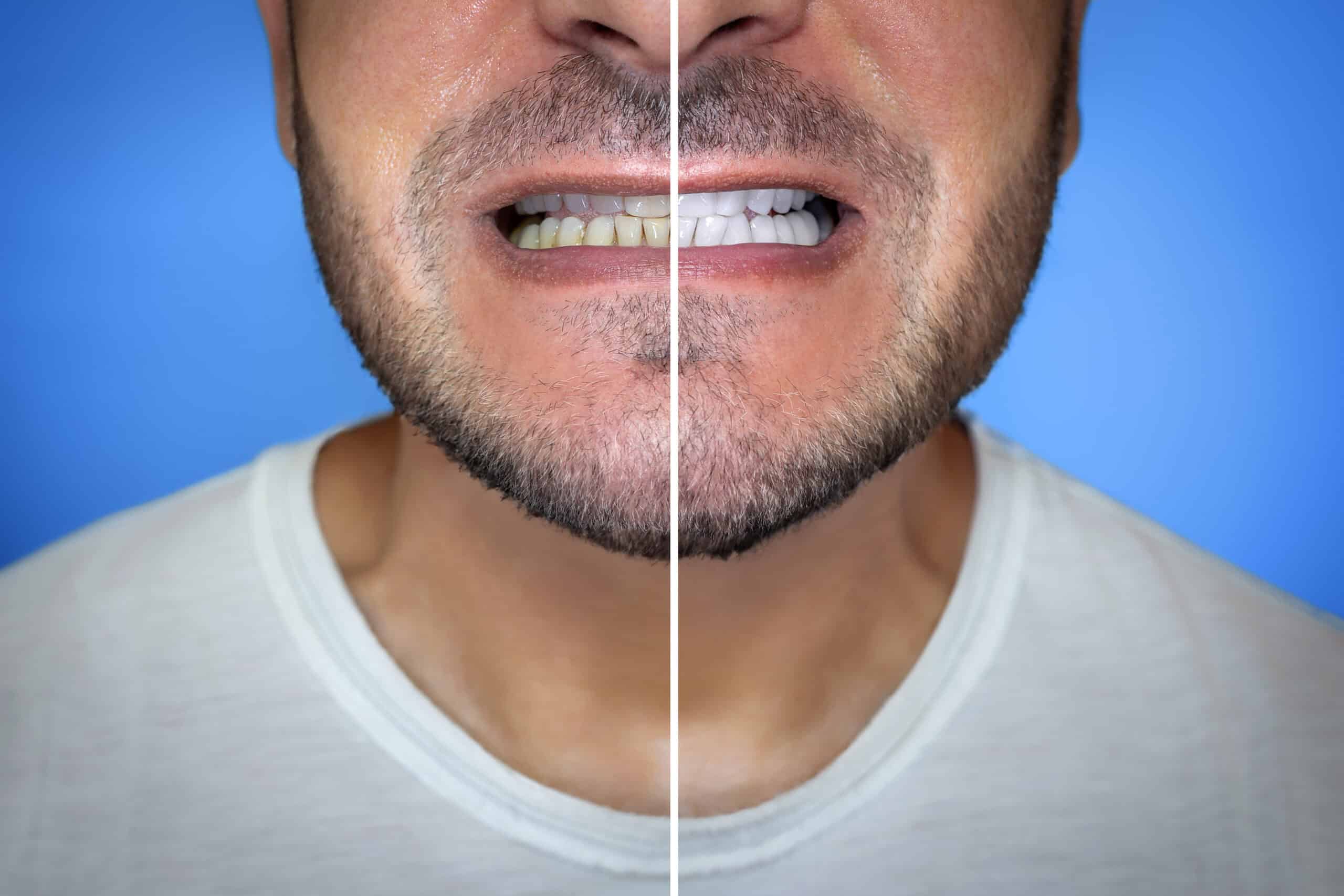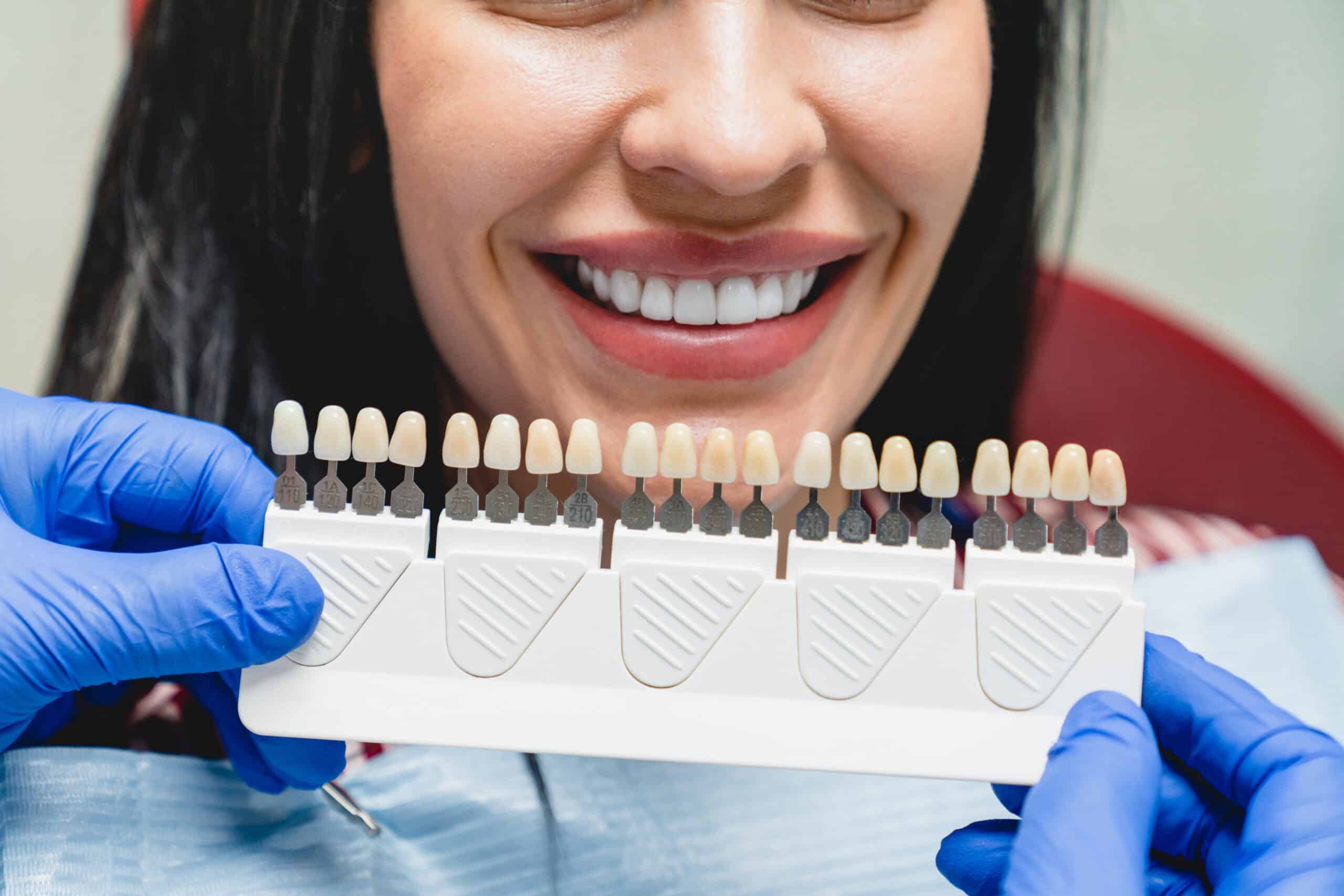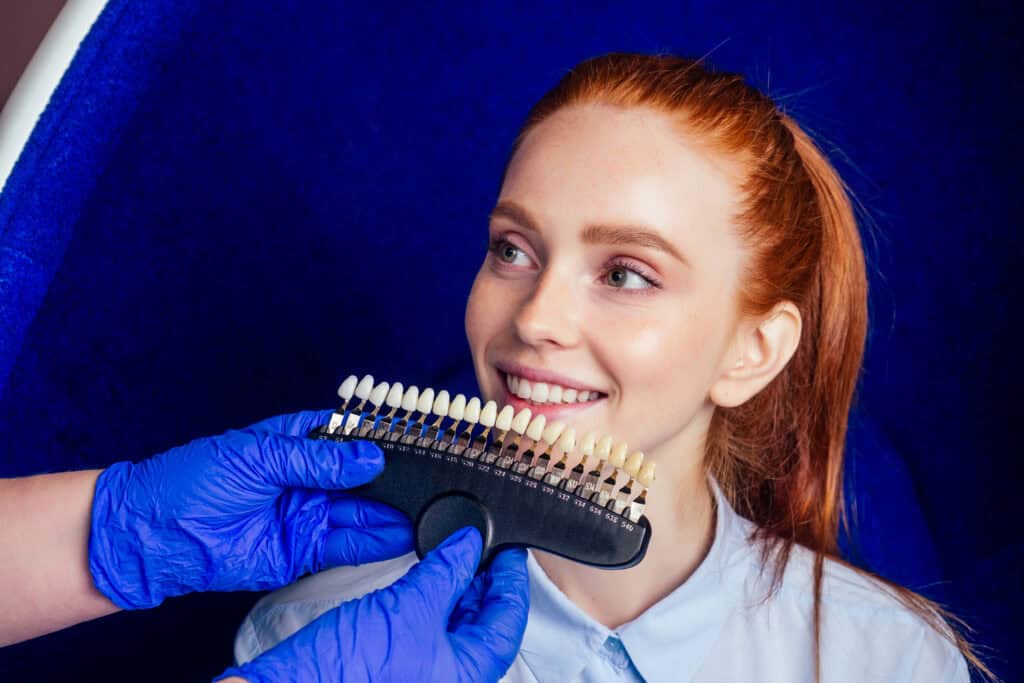

How Long After Teeth Whitening Can I Eat Normally?

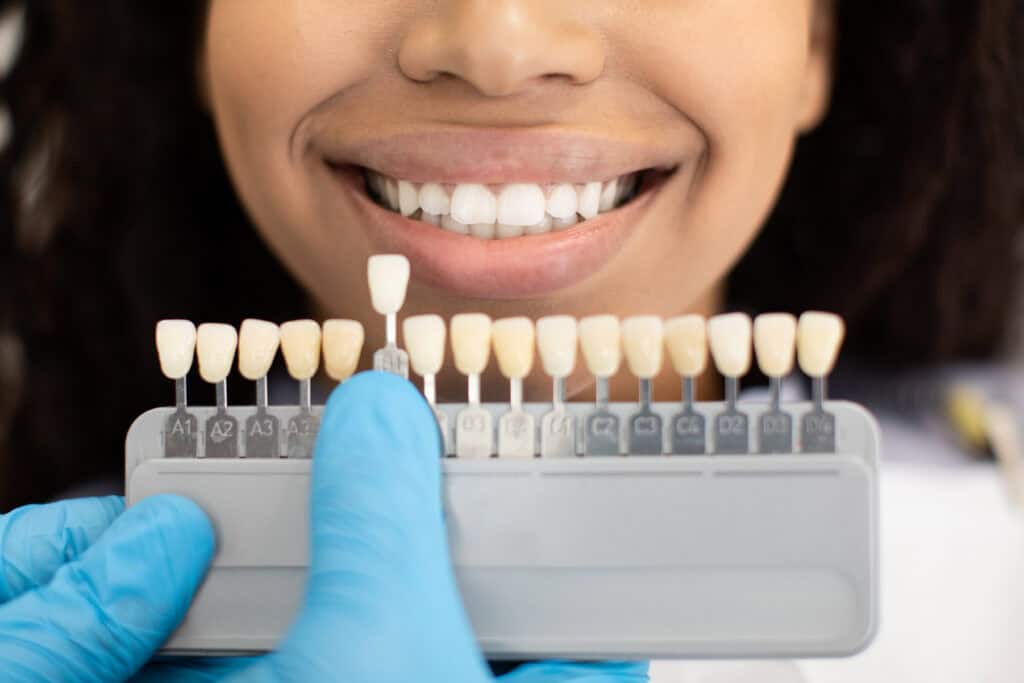
A radiant smile can transform your confidence, but achieving that dazzling glow through professional teeth whitening comes with a brief period of caution. Many patients wonder, how long after teeth whitening can I eat normally? Proper aftercare, guided by a Markham dentist, ensures your results last. This guide dives into the teeth whitening recovery process, offering expert tips on post-whitening care to protect your smile and avoid setbacks.

Understanding professional teeth whitening

Teeth whitening is a popular cosmetic dental procedure that brightens your smile by removing stains. To maximize results, it’s crucial to understand how it works and why your diet matters post-treatment.

How whitening treatments work

Professional whitening uses bleaching agents, like hydrogen peroxide, to break down stains on your tooth enamel. Applied by a skilled dentist, these agents penetrate the enamel to lift discoloration, leaving your teeth brighter. The process is safe but temporarily alters your enamel’s structure, requiring careful post-whitening care.

Why teeth are temporarily more sensitive after treatment

Whitening opens enamel pores, making teeth more vulnerable to sensitivity and staining. This temporary sensitivity, a common teeth whitening side effect, typically lasts 24-48 hours. During this period, your diet plays a critical role in protecting your teeth.

Common post-whitening side effects

Besides sensitivity, you may experience mild gum irritation or discomfort. These effects are normal and usually subside quickly. Following eating after teeth whitening guidelines helps minimize discomfort and maintain your bright smile.

The 48-hour rule: Why diet matters after whitening

The first 48 hours after whitening are critical for preserving your results. Patients often ask, how long after teeth whitening can I eat normally? Understanding why diet restrictions are necessary helps you avoid staining and sensitivity.

Why enamel pores are more open

Whitening agents temporarily make enamel pores more permeable, allowing stains to penetrate more easily. Sticking to a restricted diet during this period prevents discoloration and supports teeth whitening recovery.

Risk of staining and sensitivity

Eating or drinking staining foods, like coffee or red wine, can compromise your results. Additionally, sensitive teeth after whitening may react to hot, cold, or acidic items, causing discomfort. A careful diet minimizes these risks.

Foods and drinks that cause the most discoloration

Dark-colored foods and beverages, such as berries, soy sauce, and cola, are the biggest culprits for staining. Avoiding these for at least 48 hours ensures your teeth stay bright.

What you can eat right after teeth whitening (safe foods list)

Social moments are enjoyable with a brighter smile

After whitening, sticking to a “white diet” is key to protecting your smile. Here’s a list of safe foods and drinks to enjoy while your teeth recover.

Examples of “white diet” foods

  • Rice: Plain white rice is gentle and non-staining.
  • Chicken: Grilled or boiled chicken (unseasoned) is a safe protein.
  • Fish: White fish like cod or tilapia avoids irritation.
  • Yogurt: Plain yogurt is soft and soothing for sensitive teeth after whitening.
  • Bananas: This mild fruit is easy to chew and non-staining.

Clear liquids and hydration tips

Stick to water, coconut water, or clear broths to stay hydrated. Avoid using straws, as suction can irritate sensitive gums. Hydration supports overall post-whitening care.

Best snacks for sensitive teeth

Soft snacks like cottage cheese, mashed cauliflower, or applesauce are ideal. These white diet foods minimize discomfort and keep your teeth safe from stains.

Foods and drinks to avoid for the first 48 hours

Certain foods and habits can undo your whitening results. Here’s what to steer clear of during the critical 48-hour window.

Dark-colored foods: coffee, tea, red wine, tomato sauces

  • Coffee and tea: These beverages are highly staining and should be avoided.
  • Red wine: Its deep color can penetrate open enamel pores.
  • Tomato sauces: Acidic and pigmented, these can cause discoloration.
  • Berries: Blueberries and blackberries can leave stains.

Acidic foods and drinks that weaken enamel

Citrus fruits, sodas, and vinegar-based foods can irritate sensitive teeth and weaken enamel. Wait at least 48 hours before consuming these to avoid discomfort.

Habits like smoking and chewing tobacco

Smoking or chewing tobacco can stain teeth and delay healing. Avoiding these habits is crucial for maintaining teeth whitening results.

When can you return to a normal diet?

Patients often ask, how long after teeth whitening can I eat normally? The timeline for resuming your regular diet depends on proper aftercare.

Typical timeline for reintroducing foods

After 48 hours, you can gradually reintroduce most foods, as enamel pores typically close by then. Start with less staining items to test sensitivity.

Tips for safely enjoying coffee, wine, and other favorites again

When reintroducing coffee or wine, rinse your mouth with water afterward to minimize staining. If sensitivity persists, consult a dentist in Markham for advice.

Long-term dietary tips for maintaining results

Limit staining foods and drinks, and maintain good oral hygiene to keep your smile bright. Regular brushing and flossing help preserve your whitening results.

Tips to maintain your bright smile

Smiling patient admiring clean, white teeth after dental care

Teeth whitening results can last with proper care. These tips help you keep your smile dazzling for months or even years.

Good oral hygiene practices

Brush twice daily with a whitening toothpaste and floss regularly to remove plaque and prevent stains. This supports maintaining teeth whitening results.

Touch-up treatments and whitening trays

At-home whitening trays, recommended by your dentist, can extend results. Follow your dentist’s instructions for safe use.

Routine dental checkups

Regular checkups ensure your teeth stay healthy and white. A dentist can monitor your progress and suggest touch-up treatments if needed.

Brighten and protect your smile with Forestbrook Dental

Happy dental patient showing joy after a whitening appointment

Forestbrook Dental offers expert whitening services to help you achieve a radiant smile. Curious about how long after teeth whitening can I eat normally? Our team provides personalized guidance for lasting results.

A teeth whitening consultation Markham at Forestbrook Dental includes a thorough assessment and tailored advice on post-whitening care to maximize your results.

Ready to brighten your smile? Contact a trusted dentist in Markham at Forestbrook Dental to schedule your teeth whitening consultation Markham. Protect your smile with expert post-whitening care today!

Frequently asked questions about eating after teeth whitening

Here are answers to common questions about how long after teeth whitening can I eat normally and related concerns.

Can I drink coffee right after whitening?

No, avoid coffee for at least 48 hours, as it can stain your teeth during the teeth whitening recovery period.

How long should I avoid red wine after treatment?

Wait at least 48 hours before drinking red wine to prevent staining.

Can I eat spicy foods after whitening?

Spicy foods may irritate sensitive teeth after whitening. Wait 48 hours or until sensitivity subsides.

Will whitening make my teeth permanently sensitive?

No, sensitivity is temporary and typically resolves within a few days with proper care.

Can I use a straw to drink colored beverages?

Straws are not recommended right after whitening, as suction can irritate gums.

Is it okay to chew gum after whitening?

Sugar-free gum is generally safe, but wait a few hours to avoid irritation.

How do I keep my teeth white for longer?

Follow the white diet, maintain oral hygiene, and schedule regular dental visits.

Can You Sleep with Dentures in Your Mouth?

If you wear them, you’ve probably wondered if you can sleep with dentures in your mouth. This common question comes up frequently among denture wearers who want to feel comfortable and confident around the clock. While technically possible, sleeping with dentures involves important considerations for your oral health.

So, is it safe to sleep with dentures in your mouth? The short answer is yes, but dental professionals generally recommend removing them before bed. But there is actually a reason behind this recommendation. Let’s see why this is so.

Understanding the basics of sleeping with dentures

Many people choose to sleep with their dentures for various personal reasons. Some feel more confident about their appearance, while others find the routine of removing them inconvenient.

However, your mouth and gums need time to recover from the constant pressure of dentures during the day. Not only that, but saliva production naturally decreases during sleep, which affects your mouth’s ability to clean itself effectively.

The reality is straightforward: while you can physically sleep with dentures in place, doing so regularly can lead to several oral health complications. Therefore, most dental professionals recommend removal before bedtime as the healthiest practice.

Your Markham dentist can provide personalized guidance based on your specific denture type and oral health needs. Each situation is unique, and professional advice ensures you’re making the best choice for your circumstances.

Potential risks of sleeping with dentures

Keeping dentures in your mouth overnight creates an environment where bacteria and fungi can thrive more easily.

Increased bacterial growth occurs when dentures remain in place for extended periods. Without proper airflow and natural cleaning from saliva, harmful microorganisms multiply more rapidly. This situation particularly affects areas where dentures fit snugly against your gums.

Gum irritation and inflammation develop when tissues don’t get adequate rest. Your gums need time to recover from the constant pressure and friction that dentures create during daily wear. Overnight removal allows tissues to heal and regenerate naturally. Additionally, bone resorption may accelerate when dentures remain in place constantly, as continuous pressure can speed up the natural bone loss that occurs after tooth extraction.

Fungal infections, particularly oral thrush, become more likely when dentures create warm, moist environments. These infections can cause discomfort, white patches in your mouth, and difficulty eating or speaking properly.

Denture damage happens more frequently when they’re worn 24 hours daily. The constant use leads to faster wear of the denture materials and may cause cracks or breaks that require expensive repairs.

Benefits of removing dentures before sleep

Benefits of removing your dentures before you sleep

Taking out your dentures at night provides numerous advantages for both your oral health and the longevity of your dental appliances:

  1. Gum rest and recovery occur when you remove the constant pressure from dentures. This allows blood circulation to improve in your gum tissues and helps prevent sore spots or ulcerations. Your gums can return to their natural shape and reduce any swelling.
  2. Improved oral hygiene becomes possible when dentures are removed for thorough cleaning. You can properly clean both your dentures and your mouth, removing bacteria and food particles that accumulate throughout the day.
  3. Better breath results from eliminating the trapped bacteria and food debris that can cause morning odours. Additionally, your mouth’s natural cleansing mechanisms work more effectively when dentures aren’t blocking saliva flow.
  4. Extended denture lifespan happens when appliances get regular breaks from use. This reduces wear and tear on the materials, potentially saving you money on repairs and replacements over time.

Proper denture care practices for optimal health

Establishing good denture care routines protects both your oral health and your investment in these important dental appliances:

You should clean your dentures daily, whether you sleep with or remove them nightly. Use appropriate denture cleaning products rather than regular toothpaste, which can be too abrasive for denture materials.

Overnight soaking helps maintain denture shape and cleanliness when you remove them before bed. Use clean water or denture soaking solution as recommended by your dentist in Markham. Never let dentures dry out completely, as this can cause warping or cracking.

Handle dentures gently, over a towel or basin of water, to cushion any accidental drops. Moreover, avoid using hot water, which can warp the materials.

Regular professional care ensures your dentures continue fitting properly and your oral health remains optimal. Schedule routine check-ups with your Markham dentist to address any fit issues or oral health concerns promptly.

Do not neglect mouth care even with full dentures. Gently clean your gums, tongue, and remaining teeth with a soft brush to remove bacteria and stimulate circulation.

When sleeping with dentures might be necessary

While nightly removal is generally recommended, certain situations may require keeping dentures in place temporarily. However, these circumstances should always involve professional guidance from your dental care provider.

Immediate dentures following tooth extractions often need to remain in place initially, as directed by your dentist in Markham. This protects extraction sites and helps control bleeding during the early healing period.

Healing periods after oral surgery may require modified denture wear schedules. Your dental professional will provide clear guidelines about when and how to remove dentures safely during recovery.

Travel situations occasionally make normal denture care routines challenging. If you must sleep with dentures during travel, ensure extra thorough cleaning the following day and return to normal removal routines as soon as possible.

Medical conditions sometimes affect a patient’s ability to handle dentures safely. In these cases, caregivers should work closely with dental professionals to establish appropriate care routines that prioritize both safety and oral health.

Remember that these situations represent exceptions to normal care, not permanent changes to your routine. Therefore, return to nightly removal as soon as circumstances allow.

Signs that indicate problems with your dentures

Signs that indicate problems with your dentures

Recognizing warning signs helps you address denture-related issues before they become serious problems. Early intervention often leads to simpler, less expensive solutions than waiting until problems worsen.

Persistent pain or discomfort shouldn’t be ignored, especially if it continues after removing dentures. This may indicate pressure points, infections, or fit problems that require professional attention from your Markham dentist.

Changes in fit, such as looseness, clicking sounds, or difficulty speaking clearly, often signal that adjustments are needed. Dentures should fit snugly without causing pain or requiring adhesives for normal activities.

Visible irritation, including red, swollen, or white patches in your mouth, requires prompt evaluation. These symptoms might indicate infections, allergic reactions, or other conditions that need treatment.

Bad breath or taste that persists despite good oral hygiene may suggest bacterial overgrowth or other oral health issues. This problem often worsens when dentures remain in place continuously.

Working with your dental team for optimal denture care

Building a strong relationship with your dental care providers ensures you receive the best possible guidance for your specific needs. Forestbrook Dental understands that denture care can feel overwhelming initially, and we’re here to support you throughout your journey.

Regular check-ups allow your dental team to monitor your oral health and denture condition. These appointments help identify potential problems early and ensure your dentures continue fitting properly as your mouth naturally changes over time.

Open communication about your concerns and experiences helps your dentist in Markham provide better care. Don’t hesitate to ask questions about proper care techniques, comfort issues, or any concerns you might have.

Making the right choice for your oral health

Make the right choice for your dentures and oral health

Can you sleep with dentures in your mouth? While the answer is technically yes, the healthiest choice involves removing them nightly to protect your oral health and extend your dentures’ lifespan. This simple routine prevents infections, reduces gum irritation, and allows your mouth to rest and recover naturally.

Remember that proper denture care represents an investment in your overall health and quality of life. Therefore, following professional recommendations and maintaining regular dental visits ensures you get the maximum benefit from your dentures for years to come.

Have questions about proper denture care or need a trusted partner for your oral health journey? Contact a Markham dentist today to schedule a consultation. Our experienced team provides comprehensive denture care in a comfortable, family-friendly environment designed to make your visits pleasant and stress-free.

Frequently asked questions about sleeping with dentures

Q: Can you sleep with dentures in your mouth safely?

A: While physically possible, sleeping with dentures regularly isn’t recommended due to increased risks of infections, gum irritation, and accelerated bone loss. Your dentist in Markham can provide personalized guidance based on your specific situation.

Q: What happens if I accidentally sleep with my dentures in?

A: Occasionally sleeping with dentures won’t cause immediate harm. However, clean your mouth and dentures thoroughly the next morning, and return to your normal removal routine to prevent problems from developing.

Q: How should I store my dentures overnight?

A: Place clean dentures in fresh water or denture soaking solution. Never let them dry out completely, and avoid hot water that might warp the materials. Keep them in a safe place away from pets or children.

Q: Do partial dentures have the same sleeping recommendations?

A: Generally, yes. Remove partial dentures nightly to allow your gums and remaining teeth to rest. Additionally, this makes thorough cleaning of both the partial and your natural teeth easier.

Q: When should I contact my dentist about denture concerns?

A: Contact your Markham dentist if you experience persistent pain, changes in fit, signs of infection, or difficulty eating and speaking. Regular check-ups help prevent problems and ensure optimal denture function.

Q: Can sleeping with dentures affect my breathing?

A: In rare cases, loose dentures might shift during sleep and potentially affect breathing. This represents another important reason to ensure proper fit and consider nightly removal for safety.

What Are The Newest Types Of Dentures You Can Choose From?

Denture technology has transformed dramatically over the past decade, offering patients comfort and aesthetics that were once unimaginable. So, what are the newest types of dentures available in Markham? Many patients are discovering that today’s solutions bear little resemblance to the bulky, uncomfortable dentures of the past. Meanwhile, families in Markham are finding that these innovative options provide both function and confidence for their loved ones.

At Forestbrook Dental, our team stays current with denture innovations to help patients explore options that fit their lifestyle and budget. Furthermore, understanding these choices helps you make informed decisions about your oral health journey.

What are the newest types of dentures in 2025?

Modern denture technology offers several exciting options that address the common concerns patients have with traditional dentures. These innovative solutions focus on comfort, stability, and natural appearance.

Implant-supported dentures represent one of the most significant advances in denture care. Unlike traditional dentures that rest on your gums, these attach to dental implants surgically placed in your jawbone. Consequently, they provide exceptional stability and prevent the embarrassing slipping that many denture wearers experience.

Flexible partial dentures use specialized materials that bend and flex with your mouth’s natural movements. These comfortable alternatives to metal partials eliminate the need for visible metal clasps, creating a more natural appearance. Additionally, the flexible material reduces pressure points that can cause discomfort.

Digital and 3D printed dentures utilize technology to create precisely fitted prosthetics. Your dentist in Markham uses digital scans instead of messy impression materials, making the process more comfortable. Moreover, 3D printing allows for better accuracy and faster production times.

Hybrid dentures combine the benefits of implants with removable dentures. These solutions attach to implants for stability but can still be removed for cleaning. Therefore, they offer a middle ground between traditional dentures and permanent implant-supported teeth.

Benefits of modern dentures vs traditional dentures

Benefits of modern dentures vs traditional dentures

Today’s denture options provide significant advantages over conventional alternatives, particularly in areas that matter most to patients and their families.

Enhanced comfort stands out as perhaps the most noticeable improvement. Newer materials and construction techniques create dentures that feel more natural in your mouth. Plus, digital impressions ensure a more precise fit, reducing hot spots and pressure areas.

Superior aesthetics help patients feel confident in social situations. Modern dentures use tooth-coloured materials and advanced shaping techniques that closely mimic natural teeth and gums. As a result, even family members may not notice you’re wearing dentures.

Improved stability addresses one of the biggest complaints about traditional dentures — shifting during eating or speaking. Implant-supported options virtually eliminate this problem, while better-fitting conventional dentures reduce movement significantly. Consequently, patients can enjoy their favourite foods without worry.

Greater durability means these investments last longer than older alternatives. High-quality materials resist wear and staining better than previous options. It is no surprise then that patients often find that their dentures maintain their appearance and function for many years.

Modern denture options offer several improvements over traditional ones. While traditional dentures may feel bulky or loose, newer designs are custom-fitted, lighter, and more natural. Aesthetically, traditional dentures can sometimes appear artificial, whereas the latest options closely mimic the look of natural teeth. In terms of stability, older types often rely on adhesives, but modern, implant-supported dentures stay firmly in place. 

Traditional dentures are made using manual moulds and adjustments, while new ones benefit from digital scans and 3D printing for greater precision. They’re also more durable, made from stronger materials that last longer. Although the latest denture options require a higher investment, they deliver better comfort, appearance, and longevity overall.

Which types of dentures should you choose?

Choosing the right denture depends on several personal factors that a qualified Markham dentist can help you evaluate during a comprehensive consultation.

Your budget plays a significant role in determining which options are feasible. While implant-supported dentures offer superior function, they require a larger investment than conventional alternatives. However, many patients find the improved quality of life justifies the additional cost.

Lifestyle considerations also influence your choice. Active individuals who enjoy varied diets often benefit from more stable options like implant-supported dentures. Meanwhile, patients with simpler needs might find that well-fitted traditional dentures meet their requirements perfectly.

Oral health status affects which treatments you’re eligible for. Implant placement requires adequate bone density and healthy gums. Therefore, some patients need preliminary treatments before pursuing certain options.

Personal preferences regarding maintenance and care factor into the decision as well. Some patients prefer removable options that they can clean thoroughly, while others want the convenience of permanent solutions. Additionally, your comfort level with surgical procedures may guide your choice.

Our family-friendly approach means we take time to understand your concerns and goals. Our digital technology allows us to show you exactly what different options would look like, helping you visualize your results before making decisions.

Caring for new dentures

Smile with better dentures in Markham with Forestbrook Dental

Proper maintenance ensures your investment lasts as long as possible while keeping your mouth healthy. Modern dentures still require consistent care, though techniques may vary depending on your specific type.

Daily cleaning remains essential regardless of which denture type you choose. Removable options need thorough brushing with denture-specific cleaners, while implant-supported dentures require careful attention around the implant sites. Furthermore, soaking removable dentures overnight helps maintain their shape and cleanliness.

Regular dental visits become even more important with newer denture technologies. Your dentist in Markham monitors the fit and condition of your dentures while checking your overall oral health. Additionally, professional cleanings help maintain both your dentures and any remaining natural teeth.

Handling precautions protect your investment from damage. Even durable modern materials can crack or chip if dropped on hard surfaces. Therefore, always clean dentures over a towel or sink filled with water.

Lifestyle adjustments help you get the most from your new dentures. While modern options allow you to eat most foods, starting with softer items helps you adjust to the feel. Moreover, speaking practice helps you adapt to any changes in speech patterns.

Why choose Forestbrook Dental for your denture needs

How to care for your newest dentures in Markham

Selecting the right dental practice for your denture journey ensures you receive quality care and ongoing support. Forestbrook Dental combines experience with family-friendly service to make your treatment comfortable and successful.

Our digital technology provides precise measurements and allows you to see potential results before beginning treatment. Meanwhile, our convenient location at Highway 7 and Birchmount Road makes visits easy for busy families.

We understand that denture treatment can feel overwhelming, especially for first-time patients. Therefore, our team takes time to explain options clearly and answer all your questions. Additionally, our extended hours and weekend availability accommodate working families’ schedules.

Our commitment to safety includes rigorous sterilization protocols and purified water systems, ensuring your treatment meets the highest standards. Furthermore, direct insurance billing reduces paperwork hassles and makes treatment more accessible.

Discover your perfect denture solution today

Knowing which of the newest types of dentures you can choose from empowers you to make confident decisions about your oral health. These innovative options offer comfort, stability, and aesthetics that can dramatically improve your quality of life.Don’t let outdated information about dentures prevent you from exploring these exciting possibilities. Schedule a consultation with us today to discuss modern denture options with an experienced Markham dentist who prioritizes your family’s comfort and care. Our team will help you find the perfect solution for your needs and budget.

Common questions about the newest denture types

Q: What are the newest dentures available in 2025?

A: The most recent innovations include implant-supported dentures, flexible partials, 3D printed dentures, and hybrid options that combine stability with removability.

Q: Are 3D-printed dentures better than traditional ones?

A: 3D printed dentures typically offer a better fit and faster production, though the quality depends on the materials and technology used by your dental provider.

Q: How long do implant-supported dentures last?

A: With proper care, implant-supported dentures can last 15-20 years or more, making them a long-term investment in oral health.

Q: What is the most natural-looking denture option?

A: Digital dentures and high-quality conventional dentures both offer excellent aesthetics, with the choice depending on your specific needs and preferences.

Q: Do modern dentures cost more than traditional dentures?

A: While newer technologies often require higher initial investment, their durability and improved function provide better long-term value for many patients.

What Should I Soak My Dentures in at Night? Care Guide

Dentures transform lives by restoring smiles and confidence, but their care demands more than a quick rinse. Proper overnight maintenance is the cornerstone of keeping them functional and fresh. A question that often arises is, what should I soak my dentures in at night? With advice from a Markham dentist, this guide explores the best soaking solutions, daily routines, and expert tips for denture care to ensure your dentures stay clean and your oral health after dentures remains optimal.

Understanding overnight denture care

Overnight denture care is critical to maintaining their longevity and your oral health. Proper soaking prevents damage and keeps dentures hygienic. Let’s explore why this step is non-negotiable.

Why is soaking dentures at night essential

Soaking dentures overnight removes food particles, plaque, and oral bacteria. This process, part of denture cleaning, keeps them fresh and prevents staining. A dentist in Markham emphasizes that consistent soaking maintains the material’s integrity.

The risks of leaving dentures dry

Leaving dentures dry can cause them to warp or crack, leading to discomfort or costly replacements. Dry dentures also harbor bacteria, increasing infection risks. Soaking ensures they stay moist and retain their shape.

Common myths about denture storage

Some believe dentures can be stored dry or in plain water indefinitely. However, proper denture maintenance requires specific soaking solutions to prevent damage. Another myth is that soaking isn’t necessary every night, which can compromise hygiene.

What should I soak my dentures in at night?

Choosing the right soaking solution is crucial for maintaining the cleanliness and durability of dentures. Here are the best options to address “what I should soak my dentures in at night”.

Water: The simplest soaking option

  • Plain, room-temperature water is safe for overnight soaking.
  • It prevents drying out but offers minimal cleaning benefits.
  • Ideal for short-term use or when other solutions are unavailable.

Denture cleaning solution: When to use it

  • Commercial denture soaking solutions are formulated to clean and disinfect.
  • Use them 2-3 times weekly for thorough cleaning.
  • Follow the product instructions to avoid damaging denture materials.

Combination of water + tablets for deep cleaning

  • Effervescent denture tablets dissolved in water provide deep denture cleaning.
  • They remove stains and bacteria effectively.
  • Use 1-2 times weekly for best results, alternating with plain water.

What not to soak your dentures in

Woman smiling with confidence during night routine

Using the wrong soaking solutions can damage dentures or harm your oral health. Here’s what to avoid when considering “what should I soak my dentures in at night”.

Avoid hot water (warping risk)

  • Hot water can warp dentures, altering their fit.
  • Always use room-temperature or lukewarm water.

Avoid harsh chemicals like bleach

  • Bleach can weaken denture materials and cause discoloration.
  • It may also irritate your gums if not rinsed thoroughly.

Why household cleaners are unsafe

  • Household cleaners like dish soap or vinegar are too abrasive.
  • They can degrade dentures and are not designed for denture hygiene.

Step-by-step nightly denture care routine

A consistent denture care routine ensures your dentures stay clean and comfortable. Follow these steps to address “what should I soak my dentures in at night”.

Rinse before soaking

Rinse dentures under lukewarm water to remove food and debris. Use a soft toothbrush for gentle cleaning dentures at night. Avoid abrasive toothpaste, which can scratch the surface.

Choosing the right container

Use a clean, non-metallic container filled with a denture soaking solution or water. Ensure the dentures are fully submerged to prevent drying out overnight.

How to keep dentures clean and fresh until morning

Soak dentures overnight in water or a cleaning solution. In the morning, rinse thoroughly before wearing to remove any residue and maintain freshness.

How soaking protects oral health

Patient discussing denture care options with dentist

Proper soaking goes beyond aesthetics, supporting overall oral health after dentures. Here’s how it benefits you.

Preventing bacteria buildup and infections

Soaking removes oral bacteria, reducing the risk of infections. This is crucial for preventing denture odor and maintaining a healthy mouth.

Maintaining denture shape and comfort

Soaking prevents warping, ensuring dentures fit comfortably. A well-fitting denture reduces irritation and enhances daily wear.

Supporting gum health and fresh breath

Regular soaking supports gum health by keeping dentures clean. This minimizes bad breath and promotes a fresh, confident smile.

Alternatives for patients with special needs

Some patients require tailored soaking solutions due to specific conditions. Here are options for unique needs when considering “what should I soak my dentures in at night”.

Sensitive gums and allergy-friendly solutions

For sensitive gums, use hypoallergenic denture soaking solutions recommended by a dentist in Markham. These minimize irritation while ensuring effective cleaning.

Travel-friendly denture soaking tips

When traveling, use portable containers with water or dissolvable tablets. Pre-measured solutions ensure denture maintenance on the go without compromising hygiene.

Frequently asked questions about denture soaking

Here are answers to common questions about “what should I soak my dentures in at night”.

Do I need to soak dentures every night?

Yes, nightly soaking prevents drying and bacteria buildup. It’s a key part of denture hygiene.

Can I leave my dentures in overnight instead of soaking?

Wearing dentures overnight can irritate gums. Soaking is preferred to maintain oral health after dentures.

Are effervescent denture tablets safe for daily use?

Effervescent tablets are safe for occasional use but follow product guidelines to avoid overuse. Consult your dentist for daily recommendations.

Can I soak dentures in vinegar or mouthwash?

Vinegar and mouthwash can damage dentures. Stick to water or approved denture soaking solutions.

How long should dentures be soaked?

Soak dentures for at least 6-8 hours overnight to ensure thorough cleaning dentures at night.

What should I do if my dentures develop an odor?

Odor may indicate improper cleaning. Use denture tablets and consult a dentist to address preventing denture odor.

Book a denture consultation at Forestbrook Dental

Joyful senior sharing a moment with loved ones

Forestbrook Dental offers great care for denture wearers. Our team provides personalized guidance on “what should I soak my dentures in at night”.

Receive tailored advice on denture care to keep your dentures in top condition. Forestbrook Dental ensures your routine fits your lifestyle. Professional cleanings and adjustments enhance denture comfort and longevity. Schedule regular visits for optimal denture maintenance.

Ready to improve your denture care? Book an appointment with a trusted Markham dentist at Forestbrook Dental for support and a confident smile!

How Much Do Dentures Cost in Canada? A Markham Dentist Explains

Many Canadians worry about the financial investment required for dentures, often asking how much dentures cost in Canada before taking the next step toward restoring their smile. Understanding the various factors that influence denture pricing helps you make informed decisions about your oral health.

Knowing your options makes quality denture care more accessible than you might expect. At Forestbrook Dental, your trusted dentist in Markham, we believe everyone deserves transparent information about denture costs and personalized solutions.

Denture costs in Canada: what to expect

When patients ask how much dentures cost in Canada, the answer depends on several factors. Generally, partial dentures range from $800 to $2,500, while complete dentures typically cost between $1,500 and $4,000 per arch. Premium implant-supported dentures can range from $3,000 to $8,000 or more per arch.

Conventional acrylic dentures represent the most affordable option for many patients. These functional dentures restore basic chewing ability and speech while providing an improved appearance. Premium dentures incorporate superior materials like porcelain teeth, offering better durability and natural aesthetics.

Higher-quality dentures often provide a better fit, comfort, and longevity. They typically include warranties and follow-up care that protect your investment over time.

Factors that affect denture pricing

Factors that affect the cost of dentures in Canada

Understanding what influences denture costs helps you budget effectively and choose the most appropriate treatment option for your specific situation.

Type and complexity

Partial dentures cost less than complete dentures because they replace fewer teeth and require less extensive fabrication. Complex partial dentures with precision attachments may cost more due to their sophisticated design. Complete dentures require comprehensive mouth preparation and extensive laboratory work to ensure proper fit and function.

Material quality

The choice of materials significantly impacts denture costs and performance. Basic acrylic materials provide functional results at lower costs, while premium porcelain teeth offer superior durability and natural appearance. Advanced base materials can improve comfort and retention.

Additional procedures

Many patients need preparatory procedures before receiving dentures, which affects total treatment costs. Tooth extractions, bone grafting, and tissue contouring may be necessary to create an optimal denture foundation. Immediate dentures placed right after extractions require special fabrication techniques and additional appointments.

Here in Markham, we provide comprehensive consultations to discuss all necessary procedures and associated costs upfront, ensuring no surprises in your treatment plan.

Insurance coverage for dentures in Canada

Most Canadian dental insurance plans provide partial coverage for dentures, typically paying 50% to 80% of costs depending on your specific policy. Coverage details vary significantly between plans, making it important to understand your benefits before beginning treatment.

Insurance plans often categorize dentures as major restorative procedures, which typically receive lower coverage percentages than basic preventive care. Some plans have annual maximums that may limit total coverage for extensive treatments.

Our team provides direct insurance billing to simplify the process and reduce your paperwork. We electronically file claims for faster processing and accept direct billing from most insurance companies for your convenience.

Denture alternatives and their costs

While considering the cost of dentures in Canada, it’s helpful to understand alternative treatments. Single dental implants typically cost $3,000 to $6,000 per tooth, making them more expensive initially than dentures. Implants often last decades with proper care, potentially offering better long-term value.

Dental bridges cost approximately $3,000 to $5,000 for a three-unit bridge, depending on materials and complexity. Although more expensive than partial dentures, bridges offer permanent attachment and don’t require daily removal for cleaning.

Consulting with a Markham dentist helps determine which option best suits your specific situation, budget, and oral health goals. Professional guidance ensures you choose the most appropriate long-term solution.

Why choose Forestbrook Dental for dentures in Markham?

Choose a trusted dentist in Markham for your dentures

Selecting the right dental practice for denture treatment significantly impacts your experience and results. We combine quality technology with personalized care to ensure optimal outcomes for every patient.

Technology and safety measures

We utilize high-magnification cameras to provide digital tours of your mouth, helping you understand your treatment needs clearly. Our digital radiography system provides high-definition images while using less radiation than conventional X-rays.

Our comprehensive sterilization centre ensures proper handling of all instruments and equipment for your safety. We use purified water in our dental chairs through water line purification systems, maintaining rigorous standards of cleanliness.

Comfort and convenience

Our family-friendly office features amenities designed to help you relax during treatment, including soft blankets and flat-screen TVs for entertainment.  We also offer extended hours with evening and weekend appointments for your convenience.

Our location at the southeast corner of Highway 7 and Birchmount Road provides free parking and easy access to shopping at Uptown Market Plaza.

Frequently asked questions about denture costs

Q: How much do partial dentures cost in Canada?

A: Partial dentures typically range from $800 to $2,500, depending on materials, complexity, and the number of teeth being replaced.

Q: Are dentures cheaper than implants in Canada?

A: Yes, traditional dentures have lower upfront costs than dental implants, though implants may offer better long-term value due to their durability.

Q: Does dental insurance cover dentures?

A: Most Canadian dental plans cover 50% to 80% of denture costs, though coverage varies by policy and may have annual limits.

Q: How long do dentures last before needing replacement?

A: Quality dentures typically last 7 to 10 years with proper care, though adjustments and relines may be needed periodically.

Affordable denture solutions in Markham

Affordable denture alternatives in Markham

Understanding how much dentures cost in Canada helps you plan for this important investment in your oral health and quality of life. While costs vary based on numerous factors, quality denture care remains accessible through various payment options and insurance coverage.

As your trusted dentist in Markham, we’re committed to providing transparent pricing and personalized denture solutions that fit your budget. Our experienced team combines quality technology with compassionate care to ensure optimal results for every patient.

Don’t let cost concerns prevent you from exploring your denture options. Schedule a consultation with us today to discuss your specific needs and learn about affordable solutions available to you.

Dentist appointment cost in Ontario – Pricing guide

Quality dental care is important, and knowing what it costs should always be straightforward. Regular dental visits are the cornerstone of a healthy mouth, yet many hesitate due to uncertainty about how much a dentist appointment costs in Ontario. From routine checkups to specialized treatments, dental checkup costs vary based on factors like treatment type, dental insurance coverage, and clinic policies. This guide demystifies dental care pricing to help you plan your next visit with confidence.

Importance of regular dental checkups

Routine dental visits catch issues early, preventing costly treatments down the road. They include exams, cleanings, and preventive advice to maintain your oral health.

Common concern: “How much does a dentist appointment cost in Ontario?”

Cost concerns often deter people from booking appointments. Knowing the price range for dental services helps you budget effectively and prioritize your dental care.

Brief mention of cost factors

Treatment complexity, insurance coverage, and clinic location influence costs. A Markham dentist may offer competitive pricing tailored to local patients.

Average cost of a dentist appointment in Ontario

Understanding the typical costs of dental visits helps you plan your budget. Costs vary based on the type of appointment and patient needs, but knowing the averages provides clarity.

Typical range for a standard checkup & cleaning

A standard checkup and cleaning in Ontario typically costs $100-$200 without insurance. This includes an exam and professional cleaning, though prices may vary by clinic.

Price differences for children, adults, and seniors

Children’s appointments often cost less, around $80-$150, due to simpler procedures. Adults and seniors may face higher dental treatment costs, especially if additional treatments are needed.

Emergency dental visit costs

Emergency dental fees for issues like toothaches or broken teeth can range from $150-$500, depending on the urgency and treatment required. Always consult a dentist in Markham for accurate estimates.

What’s included in a regular dentist appointment?

 Patient paying for a dentist appointment at Markham dental clinic

A regular dental visit involves several key components to ensure your oral health. Here’s what you can expect during a standard appointment.

  • Comprehensive oral exam: Your dentist checks for cavities, gum disease, and other issues, addressing concerns like “how much does a dentist appointment cost in Ontario”.
  • Dental cleaning & polishing: Professional cleaning removes plaque and tartar, followed by polishing for a smooth, clean smile.
  • X-rays (when necessary): X-rays, costing $20-$100, help detect hidden issues like tooth decay or bone loss.
  • Preventive care & oral health education: Dentists provide preventive dental care tips, such as brushing techniques, to maintain long-term oral health.

Cost breakdown: Types of dental appointments

Dental appointments vary widely in scope and cost. Understanding the price range for different dental services helps answer “how much does a dentist appointment cost in Ontario?”.

Routine checkups & cleanings

Routine visits typically cost $100-$200, covering exams and cleanings. Regular visits prevent costly issues, making them a cost-effective choice.

Fillings, crowns, and restorations

Fillings range from $100-$300, while crowns can cost $800-$1,500. These restorative treatments address cavities or damaged teeth.

Extractions (simple vs. surgical)

Simple extractions cost $100-$250, while surgical extractions, like wisdom teeth removal, range from $300-$600, depending on complexity.

Cosmetic treatments (whitening, veneers)

Teeth whitening costs $200-$500, and veneers can range from $800-$2,000 per tooth. These elective treatments enhance your smile’s appearance.

Orthodontic consultations (braces, Invisalign)

Orthodontic consultations cost $50-$150, with treatments like braces or Invisalign ranging from $3,000-$7,000, often spread over payment plans.

Ontario dental fee guide and how it affects pricing

The Ontario Dental Association (ODA) fee guide standardizes Ontario dental fees to promote transparency. It influences how clinics set their prices.

Explanation of the ODA fee guide

The ODA fee guide lists suggested prices for common dental services. It helps patients understand what to expect when asking, “How much does a dentist appointment cost in Ontario’.

Why clinics follow or adjust fees

While many clinics adhere to the ODA guide, some adjust fees based on location, expertise, or equipment. This ensures flexibility while maintaining fairness.

How does this ensure transparency for patients?

The fee guide provides a baseline, helping patients compare costs and make informed decisions about their dental care.

Insurance coverage and out-of-pocket costs

Affordable dental care and pricing explained by a trusted dentist in Markham

Dental insurance in Ontario plays a significant role in managing costs. Understanding coverage helps reduce out-of-pocket expenses.

What most insurance plans cover for checkups

Most plans cover 80-100% of routine checkups and cleanings, up to annual limits. Always confirm coverage with your provider.

Annual limits and co-pays

Insurance plans often have annual caps, typically $1,000-$2,000. Co-pays for non-covered services can increase out-of-pocket costs.

Examples of insured vs. uninsured costs

A $150 cleaning may cost $0-$30 with insurance but $150 without. Knowing this helps you budget for a dentist appointment costs in Ontario.

Ways to manage dental appointment costs

Managing dental treatment costs is easier with strategic planning. Here are practical ways to keep expenses under control.

Payment plans and financing options

Many clinics offer payment plans or financing for expensive treatments, spreading costs over months to make care more affordable.

Preventive care to avoid higher costs later

Regular preventive dental care, like cleanings, reduces the need for costly procedures like fillings or extractions.

Tips for maximizing insurance benefits

Schedule appointments early in the year to maximize annual coverage. Ask your dentist about covered services to optimize benefits.

FAQs: Dentist appointment costs in Ontario

Here are answers to common questions about how much a dentist appointment costs in Ontario.

  • How much is a cleaning without insurance in Ontario? A cleaning typically costs $100-$150 without insurance, depending on the clinic.
  • Are dental checkups free for children in Ontario? Some programs, like Healthy Smiles Ontario, cover checkups for eligible children under 17.
  • Why do dental costs vary from one clinic to another? Costs vary due to location, dentist expertise, and equipment used, though the ODA fee guide provides a baseline.
  • Does OHIP cover any dental costs? The Ontario Health Insurance Plan covers limited dental services, like emergency surgeries, but not routine checkups or cleanings.
  • How often should I visit the dentist to keep costs low? Visit every 6-12 months for preventive care to avoid expensive treatments.

Book your dentist appointment at Forestbrook Dental

Patient discussing dentist appointment cost and affordable care options

At Forestbrook Dental, your first visit includes a comprehensive exam, cleaning, and personalized advice to address concerns like how much a dentist appointment costs in Ontario. With a focus on affordable dental care and transparent pricing, the team ensures patient-focused care. Schedule your appointment with a trusted Markham dentist today to enjoy preventive dental care and a healthy smile!

Can You Smoke After Root Canal? Here’s What You Should Know

After a root canal, your priority is a swift recovery to resume your normal routine, from work to family time. A common concern is, can you smoke after root canal? Smoking can hinder healing and put your dental health at risk. This guide explores the dangers, provides actionable advice for post root canal care, and details the healing timeline for root canal to help you protect your smile.

Understanding root canal procedures

A root canal is a common dental procedure designed to save a tooth damaged by infection or decay. By removing the infected pulp inside the tooth, a skilled dentist in Markham can relieve pain and prevent further complications. This treatment is especially valuable for families seeking reliable, long-term solutions to maintain healthy smiles for both adults and children.

What happens during treatment

During a root canal, the dentist uses local anesthesia to numb the area, then removes the damaged pulp, cleans the tooth’s interior, and seals it with a filling or crown. The procedure is straightforward but requires careful aftercare to avoid root canal side effects. For parents, knowing what to expect helps ensure a smooth recovery while managing busy family schedules.

Importance of the healing phase after the procedure

The healing phase is critical to the success of a root canal. The treated tooth and surrounding gums are sensitive, and improper care can lead to complications. Families in Markham can rely on local dentists offering walk-in availability and weekend hours to monitor root canal recovery time and address urgent concerns promptly.

How smoking affects oral healing

Can you smoke after root canal Patient learning recovery tips

Smoking poses significant risks to oral health, especially after a root canal. Many patients wonder, can you smoke after root canal? The answer lies in understanding how tobacco impacts recovery.

Impact of tobacco on blood flow and gum health

  • Reduced blood flow: Tobacco constricts blood vessels, limiting oxygen and nutrients needed for healing.
  • Gum irritation: Chemicals in cigarettes irritate sensitive gums, increasing dental pain after root canal.
  • Weakened immune response: Smoking weakens the body’s ability to fight infections, slowing recovery.

Delayed healing and increased infection risk

Smoking delays the healing timeline for root canal by interfering with tissue repair. The heat and chemicals from cigarettes can also increase the risk of infection, which is a concern for families seeking to avoid repeat dental visits. Choosing post root canal care that avoids smoking is essential for a speedy recovery.

Staining and weakening of restored teeth

Tobacco can stain the restored tooth and weaken the filling or crown over time. For parents, maintaining a bright, healthy smile for themselves and their children is a priority, making it critical to address habits like smoking after a dental procedure.

Risks of smoking after a root canal

Smoking too soon after a root canal can lead to serious complications. Patients often ask, can you smoke after root canal? Here are the key risks:

Higher chance of treatment failure

  • Compromised seal: Smoking can weaken the temporary filling, leading to treatment failure.
  • Increased sensitivity: Tobacco can exacerbate dental pain after root canal, making eating and drinking uncomfortable.
  • Prolonged recovery: Smoking extends the root canal recovery time, delaying normal activities.

Increased discomfort and swelling

Smoking can cause swelling and discomfort in the treated area, complicating recovery. A Markham dentist can provide emergency care to address such issues, ensuring families get prompt relief.

Potential for reinfection or inflammation

Smoking increases the risk of reinfection by introducing harmful bacteria into the mouth. This can lead to inflammation, requiring additional treatment and potentially disrupting family routines.

Can you smoke after root canal: How long should you wait?

Smiling dental patients promoting oral health

A common concern is, can you smoke after root canal, and if so, when? Dental experts recommend avoiding smoking for at least 72 hours post-procedure to allow initial healing. However, waiting longer, ideally a week or more, is safer to minimize risks.

Recommended waiting period from dental experts

Most dentists advise waiting at least 72 hours, but the exact time depends on the complexity of your root canal treatment Markham. For families, adhering to this timeline ensures minimal disruption to daily life.

Factors that may require a longer wait time

Complex cases, such as those involving significant infection, may require a longer wait. Smoking habits, including frequency and type, can also influence root canal recovery time. Consulting a local dentist helps clarify personalized timelines.

How smoking habits influence recovery time after dental procedures

Heavy smokers may face slower recovery due to ongoing exposure to tobacco’s harmful effects. Families prioritizing avoiding complications after root canal should consider reducing or eliminating smoking during recovery.

Healthier alternatives and coping strategies

Instead of smoking, consider alternatives to manage cravings while protecting your oral health. Parents can model healthy habits for children by exploring these options.

Nicotine patches or gum

Nicotine patches or gum can help reduce cravings without the harmful effects of smoking. These are safe, family-friendly options that won’t interfere with post root canal care.

Short-term habits to reduce cravings

Chewing sugar-free gum or sipping water can distract from cravings. These simple strategies are accessible for busy Markham families managing post-treatment care.

Seeking professional support to quit smoking

For long-term success, professional support from a smoking cessation program can help you quit. This is especially beneficial for parents aiming to create a healthy environment for their children.

Long-term benefits of quitting smoking for oral health

Quitting smoking offers significant benefits for your oral and overall health. Patients often ask, can you smoke after root canal without affecting long-term results? Avoiding tobacco altogether is the best choice.

Lower risk of gum disease and tooth loss

Quitting reduces the risk of gum disease, preserving your natural teeth. This is crucial for families seeking long-term dental health for both adults and children.

Improved longevity of dental work

By avoiding smoking, you protect the integrity of fillings and crowns, ensuring your dental procedure lasts longer. Regular cleanings can further enhance these results.

Better overall health and confidence

Quitting smoking boosts overall health, improves breath, and enhances confidence in your smile. For Markham families, this means more worry-free moments with loved ones.

Frequently asked questions

Can smoking ruin a root canal? Yes, smoking can compromise the seal of the filling or crown, increasing the risk of failure. Can you smoke after root canal? It’s best to avoid it to protect your investment.

Is vaping after a root canal safer? Vaping still introduces chemicals and heat, which can delay healing and cause root canal side effects. Consult your dentist for guidance.

What happens if I smoke too soon after treatment? Smoking too soon can lead to infection, swelling, or dental pain after root canal, requiring additional treatment.

Can I drink alcohol after a root canal? Alcohol should be avoided for at least 24-48 hours, as it can irritate the treated area and slow healing.

Does smoking cause more pain after dental work? Yes, smoking can exacerbate pain and inflammation, avoiding complications after root canal.

Will my dentist know if I smoked after my procedure? Dentists may detect signs like delayed healing or staining, so honesty about what to avoid after root canal is key.

The takeaway

Satisfied dental patient feeling confident after treatment

Regular follow-ups with a Markham dentist ensure your root canal heals properly. Emergency care and weekend hours make it convenient for families to stay on top of post root canal care.

At Forestbrook Dental, families in Markham benefit from a child-friendly environment, walk-in availability, and expertise in root canal treatment Markham. Their focus on emergency care, pediatric dentistry, and cleanings ensures every family member’s smile is protected.

Protect your family’s oral health after a root canal by avoiding smoking and following expert advice. Curious about can you smoke after root canal? Prioritize post root canal care and choose what to avoid after root canal to heal faster. Schedule a consultation with a trusted Markham dentist at Forestbrook Dental today for personalized care and a healthy smile!

Why Is My Root Canal Tooth Hurting After Years? Learn Why

Years after a root canal, you expect your tooth to feel normal, so sudden pain can be alarming. Whether it’s discomfort while chewing or sensitivity that disrupts daily life, you’re likely wondering, Why Is My Root Canal Tooth Hurting After Years? Discover why your root canal tooth may hurt years later, what it means for your dental health, and the steps to find relief.

Understanding root canal treatments

How root canals save damaged teeth

A root canal treatment is a critical dental procedure designed to save a tooth damaged by infection or decay. By removing the infected pulp and sealing the tooth, a skilled dentist in Markham can relieve pain and restore function. This process prevents the need for extraction, preserving your natural smile for years.

Success rates and expected lifespan of treated teeth

Root canals have a high success rate, with studies showing over 95% of procedures lasting for decades with proper care. However, issues like root canal side effects can arise years later, prompting questions like Why Is My Root Canal Tooth Hurting After Years. Factors such as oral hygiene and follow-up care significantly impact the longevity of the treated tooth.

Why is my root canal hurting after years

Dentist in Markham explaining possible reasons for delayed tooth pain

Pain years after a root canal can be unsettling, but understanding the causes can guide you toward solutions. Below are common reasons for discomfort in a treated tooth.

Common causes of delayed tooth pain

  • Infection recurrence: Bacteria may re-enter the tooth if the seal fails, causing dental pain after root canal.
  • Missed canals: Complex root structures can be overlooked during the initial procedure, leading to persistent issues.
  • New damage: Cracks or new decay can compromise the tooth over time.

Infection recurrence or missed canals

Sometimes, hidden canals or incomplete cleaning during the original root canal treatment Markham can allow bacteria to persist. This may lead to questions like Why Is My Root Canal Tooth Hurting After Years. A thorough evaluation by a dentist can identify these issues.

New decay or cracks in the tooth

Even a treated tooth can develop new decay or cracks, especially without a protective crown. Chewing hard foods or neglecting post root canal care can weaken the tooth, causing discomfort years later.

Signs your old root canal may be failing

Recognizing the signs of a failing root canal is crucial for timely intervention. Here are key symptoms to watch for.

Persistent pain or sensitivity

  • Constant discomfort: Ongoing pain, especially when chewing, may signal a problem.
  • Sensitivity to temperature: Lingering sensitivity to hot or cold could indicate root canal side effects.
  • Pressure sensitivity: Pain when biting down is a common red flag.

Swelling or gum tenderness

Swelling or tenderness in the gums near the treated tooth may suggest an infection or abscess. If you’re asking, Why Is My Root Canal Tooth Hurting After Years, these symptoms warrant a dental visit.

Visible changes in the tooth or surrounding gum

Discoloration of the tooth or a pimple-like bump on the gum could indicate a failing root canal. These signs often accompany dental pain after root canal and require prompt attention.

Diagnostic process for a hurting root canal tooth

Patient discussing treatment options with a friendly dentist

Clinical examination steps

A dentist will perform a thorough exam, checking for tenderness, swelling, or mobility in the tooth. This helps answer Why Is My Root Canal Tooth Hurting After Years by identifying visible issues.

X-rays and 3D imaging to detect hidden issues

Imaging, like X-rays or 3D scans, can reveal hidden problems such as missed canals or bone loss. These tools are essential for accurate diagnosis in root canal treatment Markham.

Ruling out non-dental causes of pain

Sometimes, pain may stem from non-dental issues like sinus infections or jaw problems. A dentist in Markham will rule out these causes to ensure proper treatment.

Treatment options for a painful root canal tooth

Root canal retreatment

Retreatment involves reopening the tooth to clean and reseal it, addressing issues like missed canals or infection recurrence. This is often the first step to relieve dental pain after root canal.

Apicoectomy (root-end surgery)

If retreatment isn’t enough, an apicoectomy removes the root tip and seals the end to eliminate infection. This dental procedure can resolve persistent pain.

Tooth extraction and replacement

In severe cases, extracting the tooth and replacing it with a dental implant may be necessary. Your dentist will discuss the best option for your needs.

How to prevent problems after a root canal

Importance of crowns and proper sealing

A crown protects the treated tooth from cracks and new decay. Proper sealing during root canal treatment Markham is critical for avoiding complications after root canal.

Good oral hygiene habits

Maintaining oral hygiene with regular brushing and flossing prevents new decay. Avoid hard foods like nuts, and follow what to eat after root canal guidelines, such as sticking to soft foods after root canal.

Regular dental checkups and imaging

Routine checkups with a dentist can catch issues early. Regular X-rays ensure your root canal remains successful, addressing concerns like Why Is My Root Canal Tooth Hurting After Years.

Frequently asked questions

  • Can a root canal fail after many years? Yes, root canals can fail due to new infections, cracks, or improper sealing, leading to pain years later.
  • How do I know if I need retreatment? Persistent pain, swelling, or gum changes may indicate a need for retreatment. Consult a dentist for evaluation.
  • Is retreatment painful? With modern techniques, retreatment is typically as comfortable as the initial procedure.
  • What happens if I ignore the pain? Ignoring pain can lead to infections or tooth loss, requiring more complex treatments.
  • Is replacing the tooth with an implant a better option? Implants are durable but depend on your oral health and budget. Discuss with your dentist.
  • How long does retreatment last? With proper care, retreatment can last as long as the original root canal, often decades.
  • Will insurance cover retreatment? Coverage varies; check with your provider and dentist for details.

Book a root canal evaluation at Forestbrook Dental

At Forestbrook Dental, a root canal evaluation includes a thorough exam, X-rays, and personalized treatment plans to address Why Is My Root Canal Tooth Hurting After Years. Our team prioritizes family convenience with walk-in availability and weekend hours.

Using detailed imaging and a child-friendly environment, Forestbrook Dental ensures accurate diagnosis and effective treatment for all ages. Our focus on post root canal care and avoiding complications after root canal builds trust in urgent care.

Don’t let tooth pain disrupt your family’s routine. Contact a trusted Markham dentist at Forestbrook Dental today to schedule an evaluation and restore your smile with expert care!

Can You Drive After a Root Canal? Here’s The Real Answer

A root canal can bring relief from intense tooth pain, but it often leaves patients wondering what’s safe to do afterwards. One of the most common questions is: “Can you drive after a root canal?” This article breaks down the key factors that influence your ability to drive after treatment, helping you make the safest choice for your recovery. It also guides you through essential post-root canal care and provides a clear overview of the healing timeline for root canal recovery. So, you know exactly what to expect every step of the way.

What is a root canal and why is it needed?

A root canal treatment is a vital dental procedure that saves a tooth damaged by infection or decay. By removing the infected pulp, this treatment prevents complications like abscesses while alleviating pain. It’s often necessary when deep cavities or trauma inflame the tooth’s inner tissue. Knowing whether “can you drive after a root canal” depends on your body’s response to the procedure and its side effects.

Understanding the procedure: step-by-step breakdown

Patient leaving dental office feeling relieved post-procedure

A root canal involves multiple steps to restore your tooth’s health. The dentist begins by administering local anesthesia to numb the area, ensuring a comfortable experience. They then remove the infected pulp, clean the tooth’s interior, and seal it with a filling or crown. The root canal side effects, such as mild soreness, are usually manageable but can impact activities like driving. This process helps clarify “can you drive after a root canal.”

Can you drive after a root canal – factors that determine

So, “can you drive after a root canal?” In most cases, yes – especially if only local anesthesia was used. Typically, it wears off within 2 to 4 hours, after which most patients can safely drive. However, a few important factors should still be considered:

1. Type of Anesthesia or Sedation

If oral or IV sedation was used, you should not drive for at least 12–24 hours, as it can impair judgment and reflexes. With local anesthesia only, driving is generally safe once the numbness fades.

2. Pain and Recovery Response

Some patients experience lingering pain, dizziness, or fatigue post-treatment. If you feel disoriented or unwell, it’s best to wait or have someone else drive.

3. Medications Prescribed

Prescription painkillers or antibiotics may cause drowsiness or affect your coordination. Always check the side effects before deciding to drive.

4. Procedure Intensity

A longer or more complex root canal may leave you feeling more drained, making driving immediately afterward unwise.

Signs you should not drive post-treatment

While most patients can drive after a root canal, certain symptoms suggest you should avoid driving. Here are key signs to watch for:

  • Lingering Numbness: If root canal side effects include prolonged numbness beyond 4 hours, your reaction time may be compromised.
  • Intense Pain: Severe dental pain after root canal can distract you, making driving hazardous.
  • Dizziness or Drowsiness: Feeling lightheaded, especially after pain medication, signals it’s unsafe to drive.
  • Swelling or Fever: These could indicate complications, requiring immediate attention from your dentist.

If you notice these symptoms, arrange for a ride home and consult your dentist promptly.

How long does recovery take?

Dentist and patient celebrating a pain-free root canal outcome

The healing timeline for the root canal varies, but most patients see significant improvement within a few days. Mild soreness, especially when chewing soft foods after root canal, is common for up to a week. Wondering “can you drive after a root canal” during recovery? Once numbness and severe discomfort subside, driving is typically safe within hours. Always adhere to your dentist’s guidance for a complete recovery.

Tips to speed up recovery after a root canal

Effective recovery allows you to resume normal activities, including driving, sooner. Here are key tips for post root canal care:

  • Choose Soft Foods: Eat soft foods after root canal, like yogurt, smoothies, or mashed potatoes, to avoid irritating the treated tooth.
  • Prioritize Oral Hygiene: Gently brush and floss around the treated area to maintain oral hygiene and prevent infection.
  • Avoid Harmful Habits: Skip smoking or alcohol, as they can delay the healing timeline for root canal and increase risks.
  • Attend Follow-Up Visits: Regular check-ups ensure the permanent filling or crown is secure, avoiding complications after root canal.

Following these steps addresses concerns like “can you drive after a root canal” by promoting faster healing.

Why choose a Markham dentist for your root canal?

A skilled Markham dentist delivers expert root canal treatment in Markham with precision and care. They provide tailored advice on post-treatment activities, including whether “can you drive after a root canal”. Their comprehensive care ensures your dental procedure is effective, helping you maintain a healthy smile with minimal disruption.

The takeaway

Recovering from a root canal doesn’t have to disrupt your routine. Understanding “can you drive after a root canal” and adhering to post root canal care guidelines ensures a smooth recovery. Opt for soft foods after root canal and monitor symptoms to stay safe on the road.

Need a root canal or have recovery questions? Contact a trusted dentist in Markham today to schedule your appointment and receive expert care for a pain-free smile!
Can You See a Failed Root Canal on X-Ray? Spot Issues Early

A root canal is meant to save a tooth, but when it doesn’t work as expected, questions arise about what went wrong and how to fix it. A Markham dentist can provide clarity through emergency dental care. Curious about can you see a failed root canal on x-ray? This article explores how dental x-rays reveal problems, key symptoms to watch for, and options for treatment, all while prioritizing convenience with walk-in availability and a welcoming environment.

What is a root canal and why might it fail?

A root canal treatment is a common dental procedure that removes infected or damaged pulp from a tooth to prevent extraction. Performed by a skilled dentist in Markham, it involves cleaning the canal and sealing it to stop further infection. This process is essential for relieving pain and preserving the tooth’s function.

Common causes of failure

  • Missed canals: Complex canal systems may be overlooked, leading to root canal failure.
  • Reinfection: If the seal isn’t airtight, bacteria can re-enter, causing a root canal infection.
  • Cracked roots: Physical damage to the tooth can undermine the treatment’s success.

How failures may develop slowly over time

A root canal failure may not show immediate signs. Infections can build slowly, often detected when patients ask, can you see a failed root canal on x-ray? Regular dental visits can identify issues early, ensuring timely intervention.

Can you see a failed root canal on x-ray?

Happy dental patient after learning how x-rays reveal failed root canals

A dental x-ray is critical for spotting issues. If you’re wondering can you see a failed root canal on x-ray, here’s what professionals look for:

Dark areas at the root tip

A dark spot, or periapical radiolucency, often signals infection or inflammation at the root tip. This is a key indicator of root canal failure visible on imaging.

Incomplete filling or gaps in the canal

Gaps in the canal filling, visible on an x-ray, can allow bacteria to thrive. This may lead to a root canal infection that requires further treatment.

Visible infection, abscess, or bone loss

An abscess or bone loss around the root is another clear sign. These findings answer can you see a failed root canal on x-ray, showing up distinctly on diagnostic images.

Annotated example of an x-ray showing a failed case

Picture an x-ray revealing a tooth with a dark halo at the root tip and incomplete canal filling. This evidence, often reviewed during emergency dental care visits, guides dentists in planning the next steps.

Symptoms that may accompany a failed root canal

Beyond asking can you see a failed root canal on x-ray, watch for these failed root canal symptoms:

  • Persistent or returning pain: Ongoing discomfort, especially when chewing, may indicate an issue.
  • Swelling or a pimple on the gum: A small bump, or fistula, often points to an underlying infection.
  • Sensitivity to pressure or temperature: Lingering sensitivity to hot or cold is a warning sign.
  • Tooth discoloration or loosening: A darkening or slightly mobile tooth may suggest root canal failure.

What happens if a failed root canal is left untreated?

Leaving a failed root canal untreated can lead to serious complications. The root canal infection may spread, causing swelling or abscesses. Bone deterioration around the root can weaken the tooth’s structure, risking tooth loss. In rare cases, infections may affect overall health, making prompt consultation with a Markham dentist essential.

Root canal retreatment: How it works

Dentist shakes patient after root canal detection on x-ray

Root canal retreatment involves reopening the tooth, removing old filling material, cleaning the canals, and resealing them. This dental procedure addresses issues like missed canals or reinfection.

What’s different from the original procedure

Retreatment is more complex due to scar tissue or prior fillings but it is done carefully to ensure accuracy.. Patients often ask, can you see a failed root canal on x-ray to guide retreatment? X-rays are crucial for identifying problem areas.

Success rates and what to expect

Retreatment has a high success rate when performed by an experienced dentist in Markham. Most patients feel relief within days, with full recovery in a few weeks.

Is a dental implant a better option than retreatment?

Dental implant vs retreatment depends on the tooth’s condition. Retreatment aims to preserve the natural tooth, while an implant replaces it after extraction. X-ray results help guide this decision.

When implants are recommended instead

Implants are considered if the tooth is too damaged or retreatment fails. They offer durability and a natural appearance, making them a popular choice for long-term solutions.

Long-term outcomes and cost considerations

Retreatment is often more affordable initially, but implants may provide better longevity in some cases. Discussing “can you see a failed root canal on x-ray” with a dentist clarifies the best option.

Frequently asked questions about failed root canals

Concerns about failed root canal symptoms are common. Here are answers to frequent questions:

  • What are signs of a failed root canal? Pain, swelling, or a gum pimple may indicate failure, often confirmed by x-rays.
  • Can you redo a root canal? Yes, root canal retreatment is a viable option for many patients.
  • Is a dental implant better than retreatment? It depends on the tooth’s condition and personal preferences.
  • Will insurance cover retreatment or implant? Coverage varies, so consult your provider and dentist.
  • How do I know if my root canal failed? Symptoms and x-rays provide clear evidence, as reviewed during dental visits.

Root canal retreatment at Forestbrook Dental

Concerned about a failed Root Canal in Markham? Forestbrook Dental offers free second-opinion consultations, including x-ray reviews, to address questions like can you see a failed root canal on x-ray. Patients can complete a Patient Form online or book in-person visits, with walk-in availability and weekend hours for convenience. 

Our pediatric dentistry Markham services create a welcoming environment for all ages. Your retreatment evaluation includes a detailed x-ray analysis, symptom assessment, and personalized treatment plan. Contact a trusted Markham dentist today for emergency dental care and restore your dental health!