
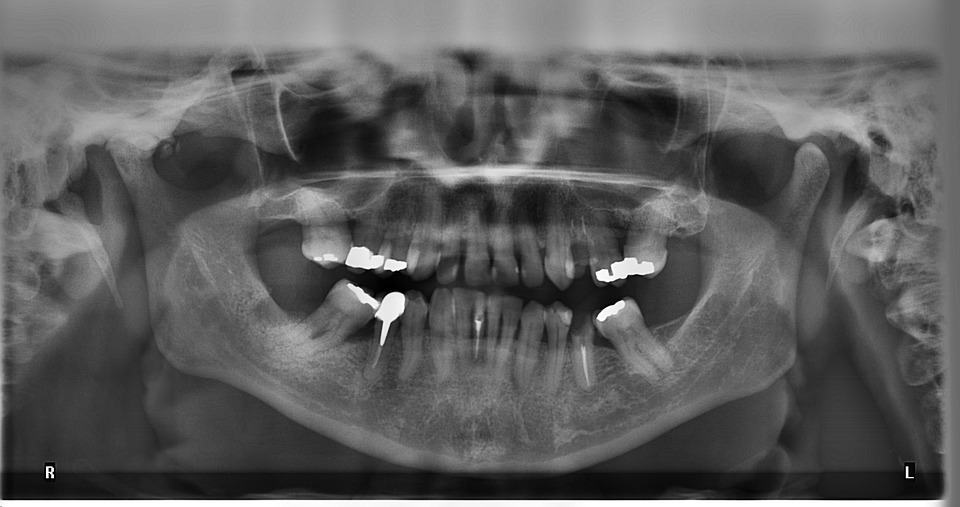
You may have noticed that, in recent years, your dentist has been taking more digital radiographs (or digital X-rays) of your teeth. Digital radiographs in Markham allow your dentist to improve detection, diagnosis, and the monitoring of problems to improve treatment for a wide range of conditions. Here are some information you might want to know about the use of digital radiographs in dentistry.
The Purpose of Digital Radiographs
With the assistance of digital radiographs, dentists can better check for:
- Decay between the teeth and under restorations like fillings
- Bone infections
- Abscesses and cysts
- Gum disease
- Tumours and abnormalities
By finding these problems early, you may avoid extensive treatment, save money, and reduce discomfort.
Advantages of Digital Radiographs
Digital radiographs allow your dentist to instantly view an image of your teeth on a computer screen. Your dentist can examine your teeth in much greater detail than with traditional X-rays, by changing the contrast, colour, sharpness, zoom, and more, to look at the areas that matter. Your dentist may even show you the image to help you understand the condition and your need for treatment.
Another advantage is the capability to store all the images in your patient records. Your dentist can send these to other dentists, specialists, or your insurance company when needed. This will speed up treatment time and reimbursement.
Are Digital Radiographs Safe?
Radiation from digital radiographs is low. They use digital sensors and photo-stimulable phosphor plates, which require 50 to 80 percent less radiation than film.
However, to take full precautions, your dentist will only take radiographs when necessary and will protect your body using a lead apron and thyroid collar. Even pregnant women can receive radiographs — up to four per visit are safe. Your dentist will likely use a double lead apron to reduce your exposure to an almost immeasurable level.