

Are you having a challenging life lately? Is it hard to smile during parties or does it make you feel uncomfortable to answer your interviewer? You’re going through all of these because of an uneven or broken teeth. Now, bonding chipped tooth and similar fractures have never been easy with dental bonding. This dental procedure brings wonders to its patients, providing easy restoration and repair in just a swift!
Aside from the fact that bonding could easily fix common teeth imperfections, it also boosts the patient’s self-confidence. Before you discover how it does its wondrous abilities, know its other advantages with the following:
Benefits of dental bonding
- One of the main purposes of tooth bonding is to improve teeth imperfections such as:
- Stains. Teeth are susceptible to discoloration especially when the patient is fond of drinks with high-staining properties. These include drinking wine, tea or even coffee. Active smokers also suffer teeth stains because of tar. Paying for the dental bonding cost is worth every penny as it perfectly covers even the most pungent blemish on your teeth.
- Chips. It happens when patients bit on a hard food or probably had facial trauma. Nonetheless, bonding easily fixes it with its tough resin material.
- Cracks. Cracks on the tooth appear as lines that vary in sizes from the tiniest to the most visible.
- Misshapen. Teeth with bad shapes appear small, elongated, uneven or slanting.
- Separated by minor gaps. Also known as diastema, teeth gaps may be unattractive for some. All these dental issues are fixable with tooth bonding.
- Another great advantage about dental bonding is that it requires little to no removal of the tooth enamel. Because of this, patients could retain most of their natural teeth structure and even prevent dental issues such as sensitivity.
- Dental veneers also provide more or less the same purpose as bonding. However, compared to veneers, tooth bonding has less extensive procedure. It’s actually quite simple and doesn’t hurt at all.
- Completes in a single appointment. Since the dental procedure is easy, it could complete the entire treatment in an hour. Furthermore, with dentists incorporating modern methods in their dental practice, the patient’s recovery period is almost instant.
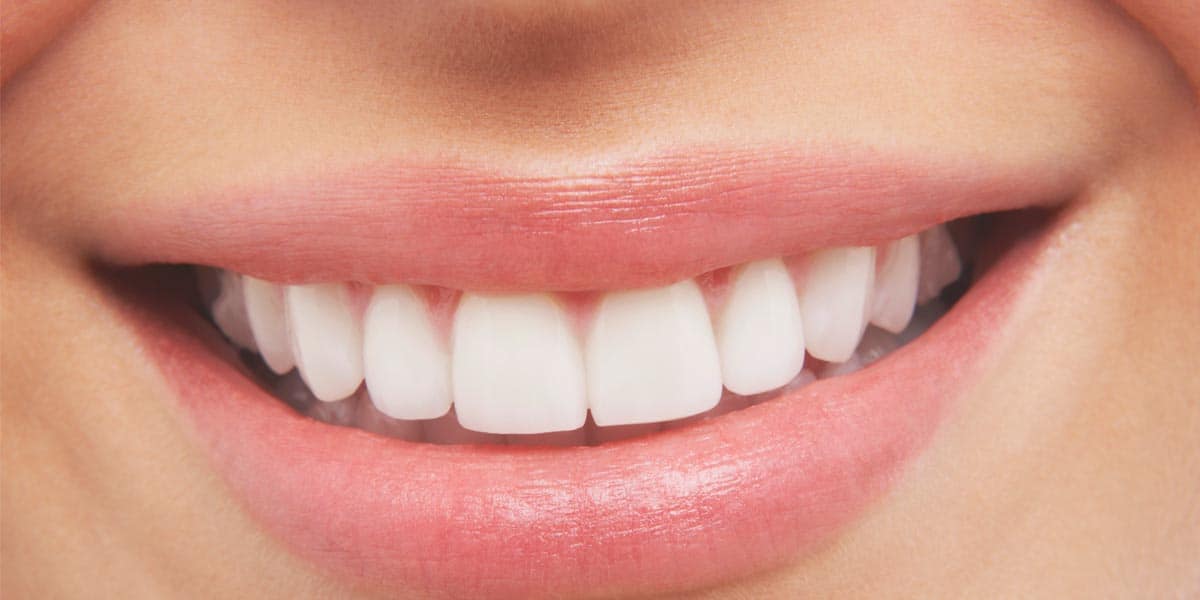
- Aside from restoration, the dental bonding cost also saves you a total makeover. The bonded teeth will look natural and ideal because bonding materials are tooth-colored and sleek.
What entails in a dental bonding?
Now that you’re aware of how beneficial tooth bonding is, just imagine the patients dental bonding reviews. In this part, you’re about to learn about the step-by-step process during teeth bonding.
1.Checking your tooth shade.
Prior to any bonding procedure, your dentist will first check on your natural teeth color. Next, he uses a shade guide and select the shade that closely matches with your natural teeth color. He selects a perfect shade for the resin material to be used for dental bonding.
2.Etching the enamel.
By this time, your dentist starts scraping off a very light portion of your tooth enamel to roughen the surface. This way, the bonding material will adhere steadily.
3.Applying conditioning liquid.
After etching the tooth surface, the dentist coats the conditioning liquid on the tooth as this gives the resin material a strong hold.
4.Putting on the resin material.
When the tooth is prepared, it’s time to apply the putty-like resin material on the tooth.
5.Molding the bonding material.
This time, the dentist will smoothen and mold the resin material according to his desired shape.
6.Hardening the material with UV light.
Once he’s satisfied with his work, the dentist now hardens the bonding material in place. By doing this, he uses an ultraviolet light or laser over the tooth within 5 to 10 minutes.
7.Trimming and reshaping.
When after the bonding material hardens the dentist finds the tooth to need more improvement, he does more trimming.
8.Polishing.
Finally, the treatment finishes with polishing to ensure that the teeth uniforms and looks natural with the rest.
Knowing how detailed the process is, you are rest assured that the dental bonding cost does bring you stunning results! Set an appointment now with your Markham dentist to discuss your dental bonding treatment plan.